Interview with Production Designer Jane Musky (When Harry Met Sally…, Ghost)

Jane Musky is one of the top Production Designers working in the industry today. She has designed over 40 films in the last 30 years, working with directors Mike Newell, Ivan Reitman, Andy Tennant, Gus Van Sant, Jerry Zucker, James Foley, and The Coen Brothers, to name a few. She also happens to be married to the President of the United States (well on the TV show Scandel) for the last 28 years too!

It was an honor to interview Jane and talk about her amazing career, and it looks like she’s just getting started.

LENSES & FILTERS. How to get the best shots in filmmaking

QUESTIONS TO ASK:
-What is the best viewpoint for filming this position of the event?
-How much area should be included in this shot?

SCENE defines the place or setting where the action is laid
SHOT defines a continuous view filmed by one camera without
interruption

SEQUENCE A series of scenes or shots complete in itself.

Interview with Director/Production Designer David Hackl (SAW Franchise)

I’m very proud of the Saw franchise and feel grateful to have had the opportunity to work on it. It a piece of cinema history now. I also have a real fondness for Outlander as it was one of the most epic projects that I’ve done. I had to research it like crazy and learn everything about viking architecture, culture, weaponry etc. We had to build everything, weaponry and huge sets that included a viking village with 22 buildings and an 80 foot Viking ship that was fully practical. The craftsmanship from the whole crew was outstanding in every department. I’ve always loved viking stories and would love to direct a viking feature now.

Interview with Oscar Nominated Production Designer Anne Seibel (Midnight in Paris, Bonjour Anne)

Anne Seibel earned an Oscar Nomination for “Midnight in Paris”. Based in Paris, she has worked with some of the top directors in the world today, including Steven Spielberg, David Frankel, M. Night Shyamalan, Sofia Coppola, Clint Eastwood, and 3 Production Designer assignments with Woody Allen.

Go to her website: http://www.anneseibel.com/

Interview with Cinematographer Albert Arthur (Better Call Saul, Breaking Bad)

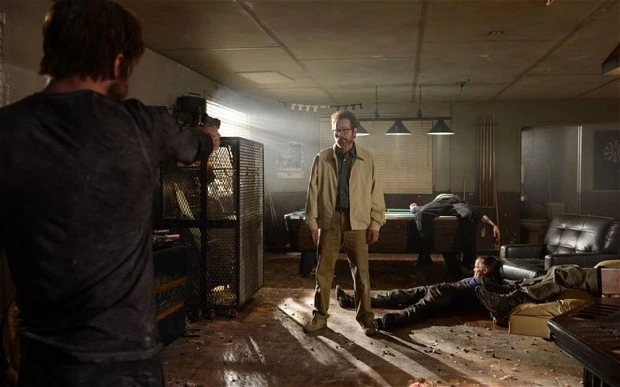
I started prep three weeks before the first day of shooting. I asked Vince Gilligan and Peter Gould if the wanted to continue the style of Breaking Bad, and their answer was that they did not want a complete break, but they wanted it to be different as well. They stressed repeatedly that they felt TV shows were all starting to look the same, and that they wanted “Saul” to look like nothing else on television. They showed me stills from “The Conformist” and from Kubrick’s work. Our first day of shooting was in bright sunlight in a skate park. I kept looking for Jean-Louis Trintignant in a period tuxedo, but he was nowhere to be found.

One point of departure was that they didn’t want the handheld look that gave ”Breaking Bad” its’ nervous energy. In fact they did not want any camera movement that was unmotivated. This was quite a departure from my last few shows, where the producers would start twitching if the camera wasn’t moving at all times. It required retraining my operators to avoid movement unless absolutely necessary.

Vince kept pushing the look darker and darker, saying “we know who they are, we don’t need to see them all the time”, which is a departure from what is essentially a comedy.
Interview with filmmaker Jordan Inconstant (YO SOY PEDRO)

I was very surprised! There is no other festival that offers this, it’s great! To see the public reaction and to take part in the festival. There was a little debate about the fact that the film was shot in French while the atmosphere is American, it was interesting. This has pleased all the film crew, Sylvain Ott, composer joins me in thanking you for the price of the best music.

Interview with filmmaker Sam Brewster (Misstep)

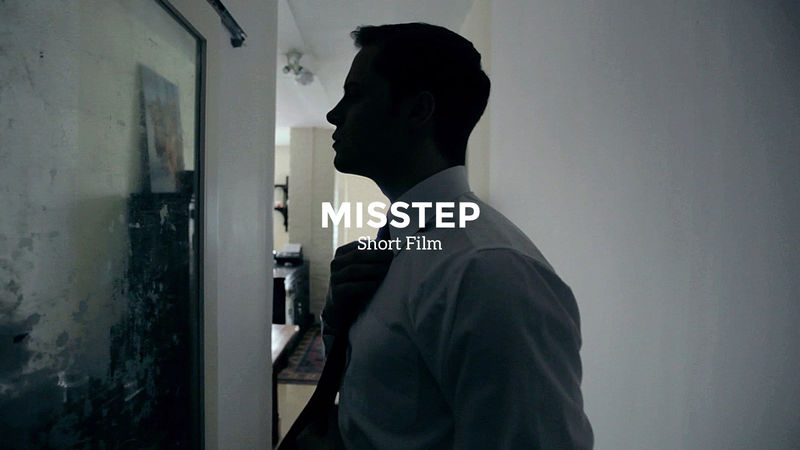
I really appreciated the empathy that the audience had with the morality of the tale, so I’m glad that I got that across in the film. It’s by far my least divisive story, so I think it is more palatable than some of my other shorts, where the protagonist rarely learns a lesson.

Interview with Oscar Nominated Production Designer Michael Corenblith (Apollo 13, The Blind Side)

What an honor it was to talk with the amazing Production Designer Michael Corenblith. His resume is filled with some of the best movies in the last 20 years, including: Saving Mr. Banks, The Campaign, Game Change, Dinner for Schmucks, The Blind Side, Frost/Nixon, Apollo 13.

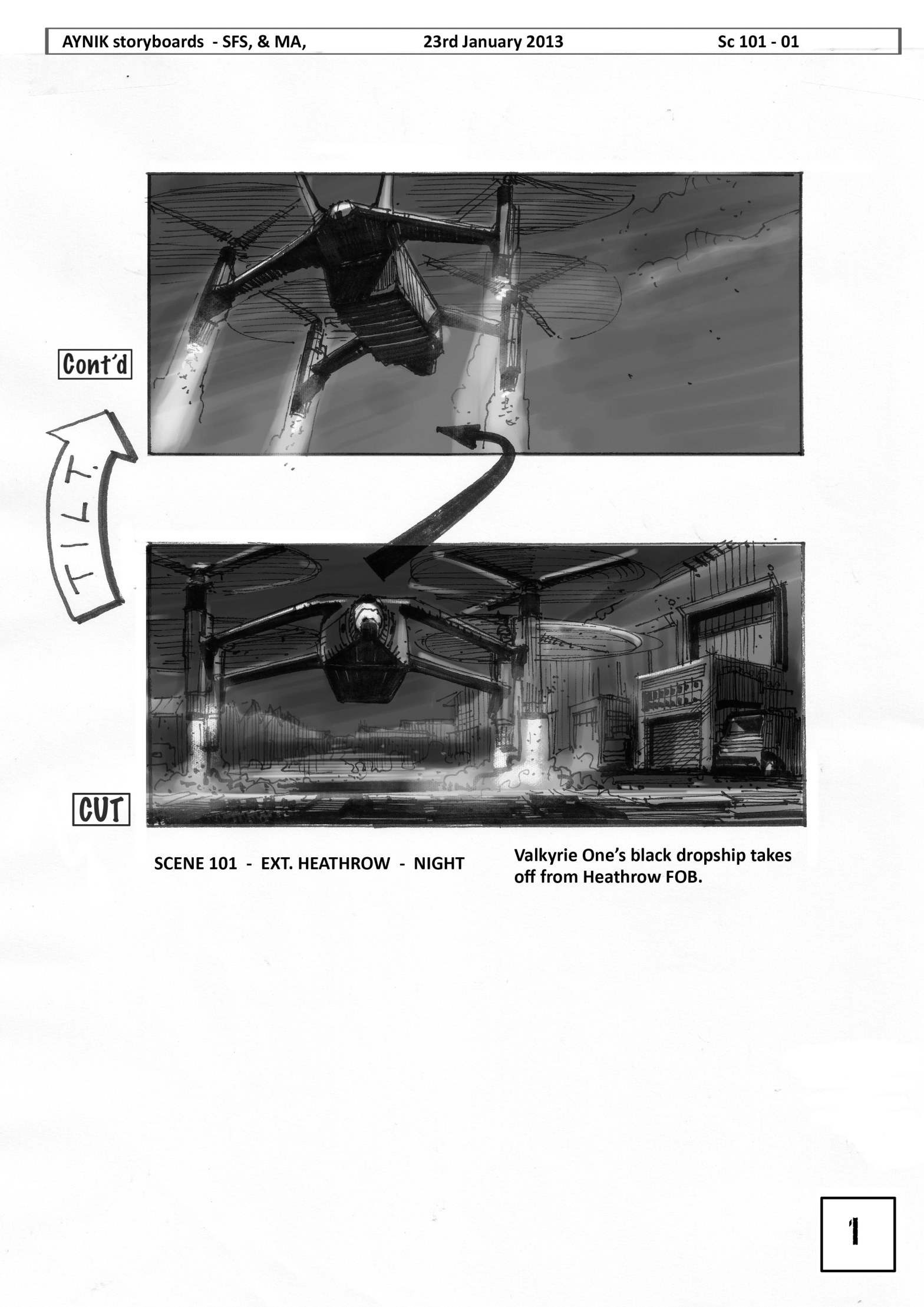
Interview with Storyboard Artist Stephen Forrest-Smith (Star Wars, Harry Potter, The Dark Knight)

There really is no normal to my job anymore. Every project seems to be different and now and asks for different. A film project could call on a storyboard artist at any stage from pre-pre production, ( when the film is trying to get funding) right the way through to post production for VFX, (after principal photography has been completed). The bulk of my work tends to be early in the pre-production taking the first pass at sequences to get the ball rolling on them. Usually I’d start with a chat with a Director, though it could be VFX supervisor, production designer and then work on from there. I use to expect to finish when filming starts but now i might stay almost to the end of shooting then be called back for reshoots and post production.

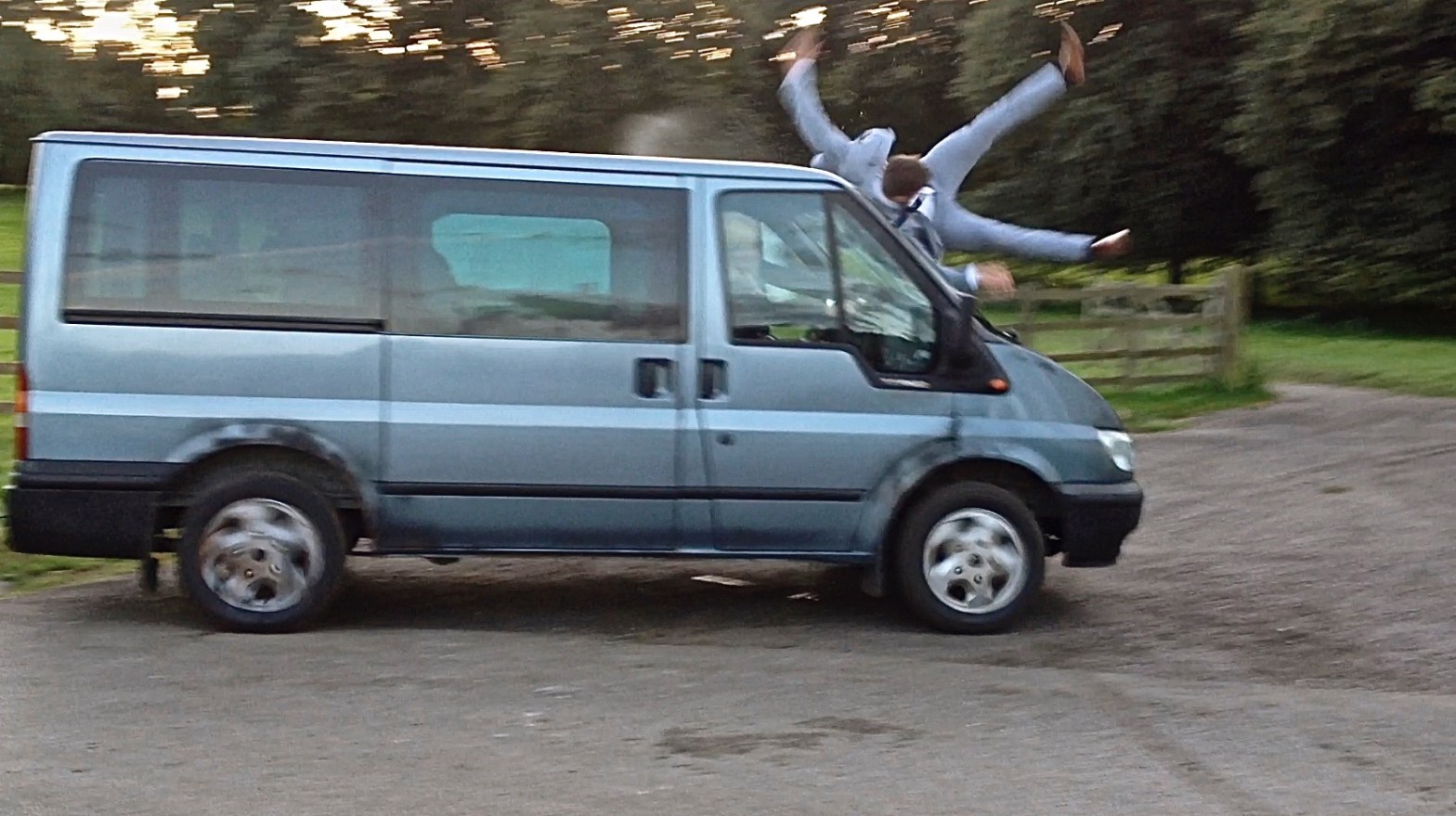
Interview with Stunt Performer James Cox (Star Wars VII, The Dark Knight Rise)

I was planning to go to university and it was while on a year out to work and earn some money that I decided to follow a childhood ambition and trying to become a stunt performer. The JISC stunt register is the world most well established body of professional stunt performers and the training is definitely extensive, ranging from Marital arts, scuba diving, gymnastics, rock climbing, horse riding, rally driving to trampolining. Needless to say I didn’t end up going to university and after training for 4 years in six different discipline I qualified and joined the elite ranks of the British Stunt Register.