I was very pleased to hear people really understand the twists and turns of film, the conflict of the lead character, and the desire to see what was on ‘the other side’. As a filmmaker, you make lots of little decisions based on your instinct, and it was wonderful to hear people really connecting with the material.
Category: interview
Interview with Director/Production Designer David Hackl (SAW Franchise)

I’m very proud of the Saw franchise and feel grateful to have had the opportunity to work on it. It a piece of cinema history now. I also have a real fondness for Outlander as it was one of the most epic projects that I’ve done. I had to research it like crazy and learn everything about viking architecture, culture, weaponry etc. We had to build everything, weaponry and huge sets that included a viking village with 22 buildings and an 80 foot Viking ship that was fully practical. The craftsmanship from the whole crew was outstanding in every department. I’ve always loved viking stories and would love to direct a viking feature now.
Interview with Costume Designer Linda Muir (The Witch, Bitten)
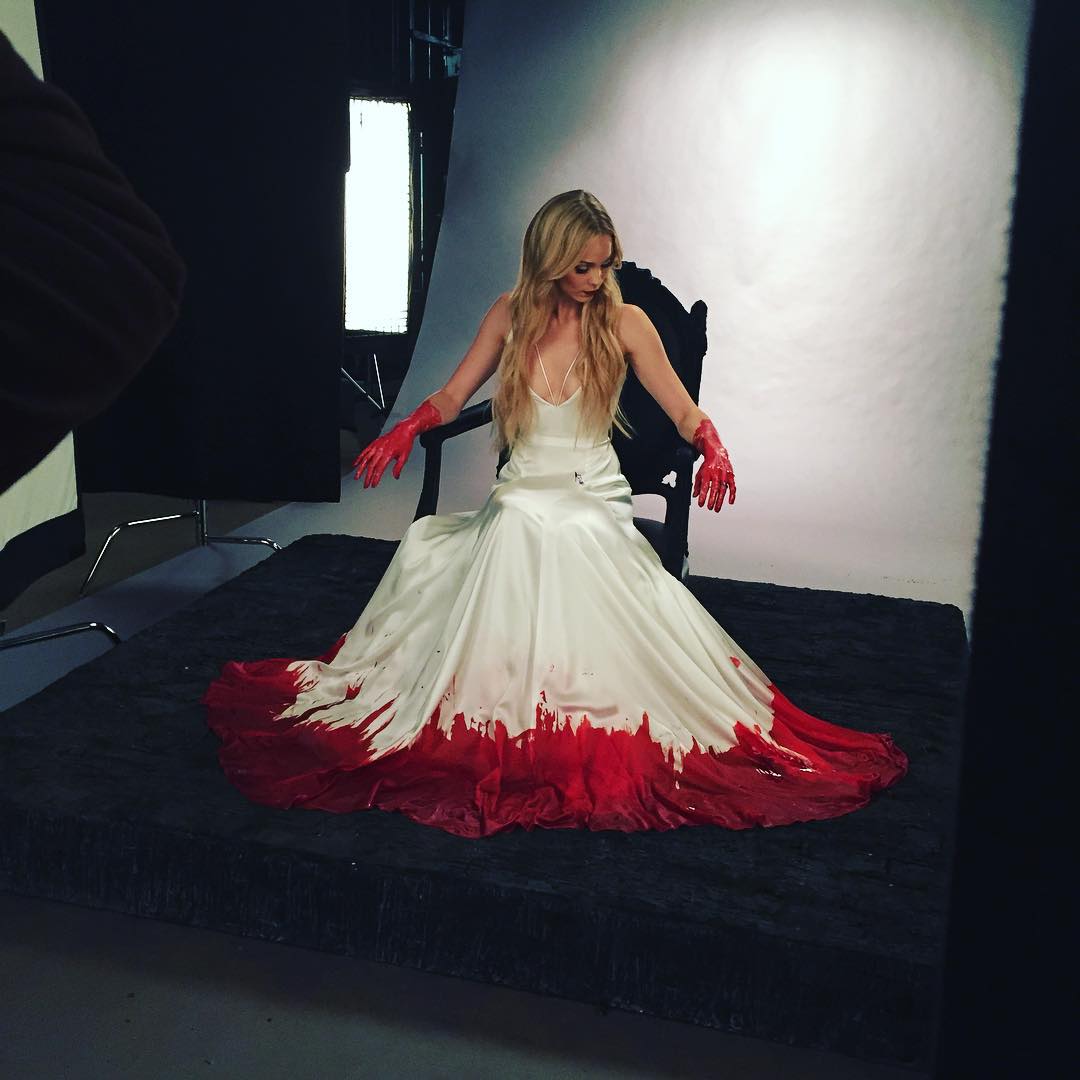
What a terrific honour it was sit down with the talented costume designer Linda Muir, who is based in Toronto, Canada. She has worked in the industry for the last 30 years, on many successful films and TV shows, which she talks about in the interview. A must read for anyone working or wanting to work in the industry today:
Interview with Oscar Nominated Production Designer Anne Seibel (Midnight in Paris, Bonjour Anne)
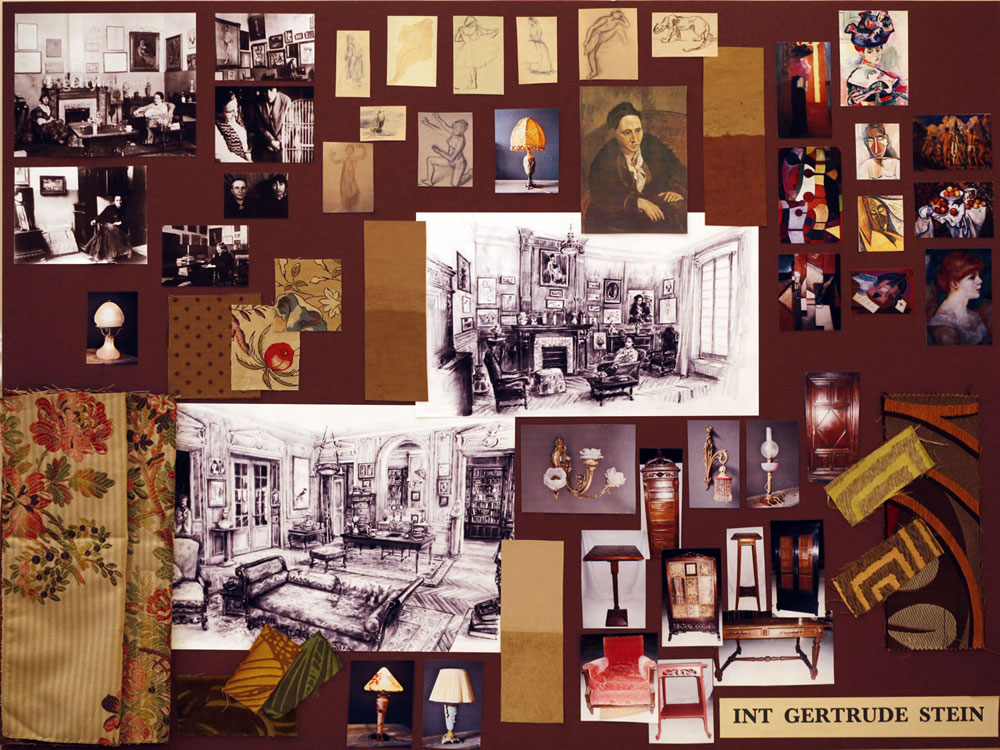
Anne Seibel earned an Oscar Nomination for “Midnight in Paris”. Based in Paris, she has worked with some of the top directors in the world today, including Steven Spielberg, David Frankel, M. Night Shyamalan, Sofia Coppola, Clint Eastwood, and 3 Production Designer assignments with Woody Allen.
Go to her website: http://www.anneseibel.com/
Interview with Stunt Performer/Actress Kayla Adams (Deadpool, Oblivion)

It was fun to chat with Kayla Adams, a definite artist on the rise. She gives us the insight on being a female stunt performer on Hollywood productions and moving to working as an actress (who can also do her own stunts!)
Go to http://www.kaylaadams.co and follow her on twitter @sugarKAYne
Interview with Cinematographer Chad Griepentrog (The Bachelor Reality TV Series)
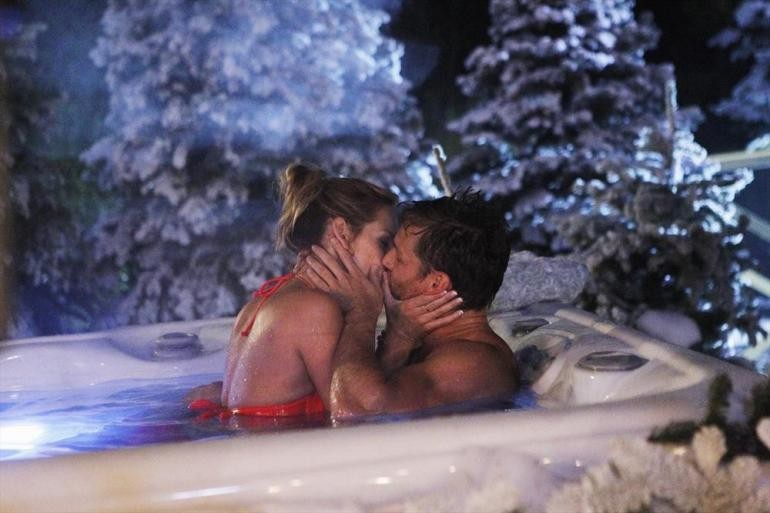
Most include something related to the cool locations we get to visit- like animals attacking our gear in Africa, or scaring the crap out of each other in a dungeon in Prague. Or the time I was bucked off a horse and broke my hand because we thought it would be a good idea to shoot on horseback, or jumping off waterfalls with the cast in Hawaii, or getting stuck on a glacier in Iceland, or the scouts where we get to do all the things the cast does, but a week earlier. My favorite though is when I flew over my tiny hometown in Colorado in the Playboy private jet with only a producer, Hugh Hefner and his Playmate girlfriends. I wish my high school guidance counselor could see me then! One time I ordered pizza and hot wings for my crew. We were so hungry and excited to eat, but had to wait until after the interview we were shooting. During that time, one of the female Bachelor cast members ate our entire pizza and wings! Then she purged! Thanks a lot lady!
Interview with Costume Designer Ginger Martini
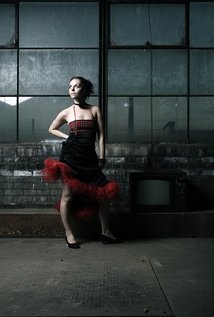
It’s not as easy as it looks on tv. The hours are beyond gruelling and at first the money is non existent. But keep at it. Be nice to everyone, cuz you never know where your next job is coming from and who that Production Assisant will be later (maybe your next Production Manager) and only work for free for a little bit. Then bill what you’re worth and if you are good at it, the money will come. Make sure you like your scripts and it’s easier to live with them 24/7 for months on end. Take advice from people who are successful in the department you want to be in, and learn to take criticisms well and not personally.
Interview with Cinematographer Albert Arthur (Better Call Saul, Breaking Bad)
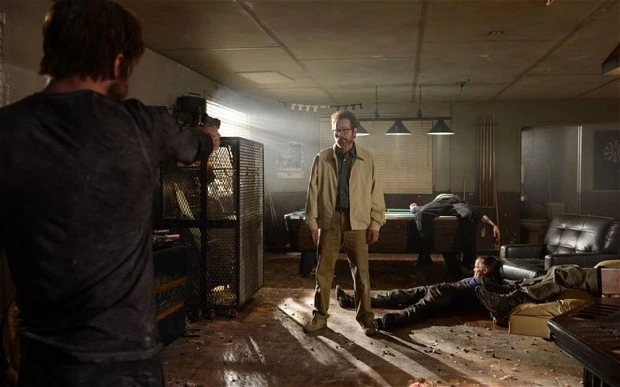
I started prep three weeks before the first day of shooting. I asked Vince Gilligan and Peter Gould if the wanted to continue the style of Breaking Bad, and their answer was that they did not want a complete break, but they wanted it to be different as well. They stressed repeatedly that they felt TV shows were all starting to look the same, and that they wanted “Saul” to look like nothing else on television. They showed me stills from “The Conformist” and from Kubrick’s work. Our first day of shooting was in bright sunlight in a skate park. I kept looking for Jean-Louis Trintignant in a period tuxedo, but he was nowhere to be found.
One point of departure was that they didn’t want the handheld look that gave ”Breaking Bad” its’ nervous energy. In fact they did not want any camera movement that was unmotivated. This was quite a departure from my last few shows, where the producers would start twitching if the camera wasn’t moving at all times. It required retraining my operators to avoid movement unless absolutely necessary.
Vince kept pushing the look darker and darker, saying “we know who they are, we don’t need to see them all the time”, which is a departure from what is essentially a comedy.
Interview with Tim Kail (The Work of Wrestling)

I’m not convinced Vince McMahon wants good quality wrestling or that good quality wrestling is his priority. I’m not convinced Vince McMahon is even a fan of professional wrestling; at least I don’t think he’s shrugged off the insecurity a lot of wrestling fans have about loving this form of performance art. I sense a degree of self-consciousness in him, an unwillingness to accept the roots of his chosen form. I do think Vince McMahon wants to create a good quality show, however. I think he absolutely adores show-business and spectacle, and I think he’s a master of spectacle. I think there’s a frustrated filmmaker in Vince McMahon, and that he would love to have been a big time movie director ruling Hollywood during the Golden Age. I see that frustration, that dissatisfaction when I watch RAW from time to time. He often says “we make mini movies” and I hear top members of the roster recite that nonsense too. It’s the kind of thing a young, insecure artist thinks, comparing their chosen form to something typically regarded as “higher art” instead of just being proud of their chosen medium. It’s like a painter saying “I make mini songs”. No. You don’t. You make paintings – so make paintings and be good at it and don’t worry about making anything else. Or, if you want to make mini songs, become a musician. And I suppose that would lead me to what I’d like to discuss with him – I’d want to ask him why he believes “Sports Entertainment” is superior to professional wrestling, I’d want to know what his understanding of pro-wrestling actually is, what medium he thinks he’s actually working in, and whether or not he’s doing what he actually wants to be doing with his life. I’d want to know if he’s willing to work with his talent to tell great stories again. I respect his tenacity and his ability to create marvelous, money-making spectacles, I just wonder if he’d be happier making films in the 1940s and 1950s or variety television shows in the 1960s & 1970s.
Interview with Special Effects Supervisor Daniel Acon (Zoolander 2, Gangs of New York, Passion of the Christ)
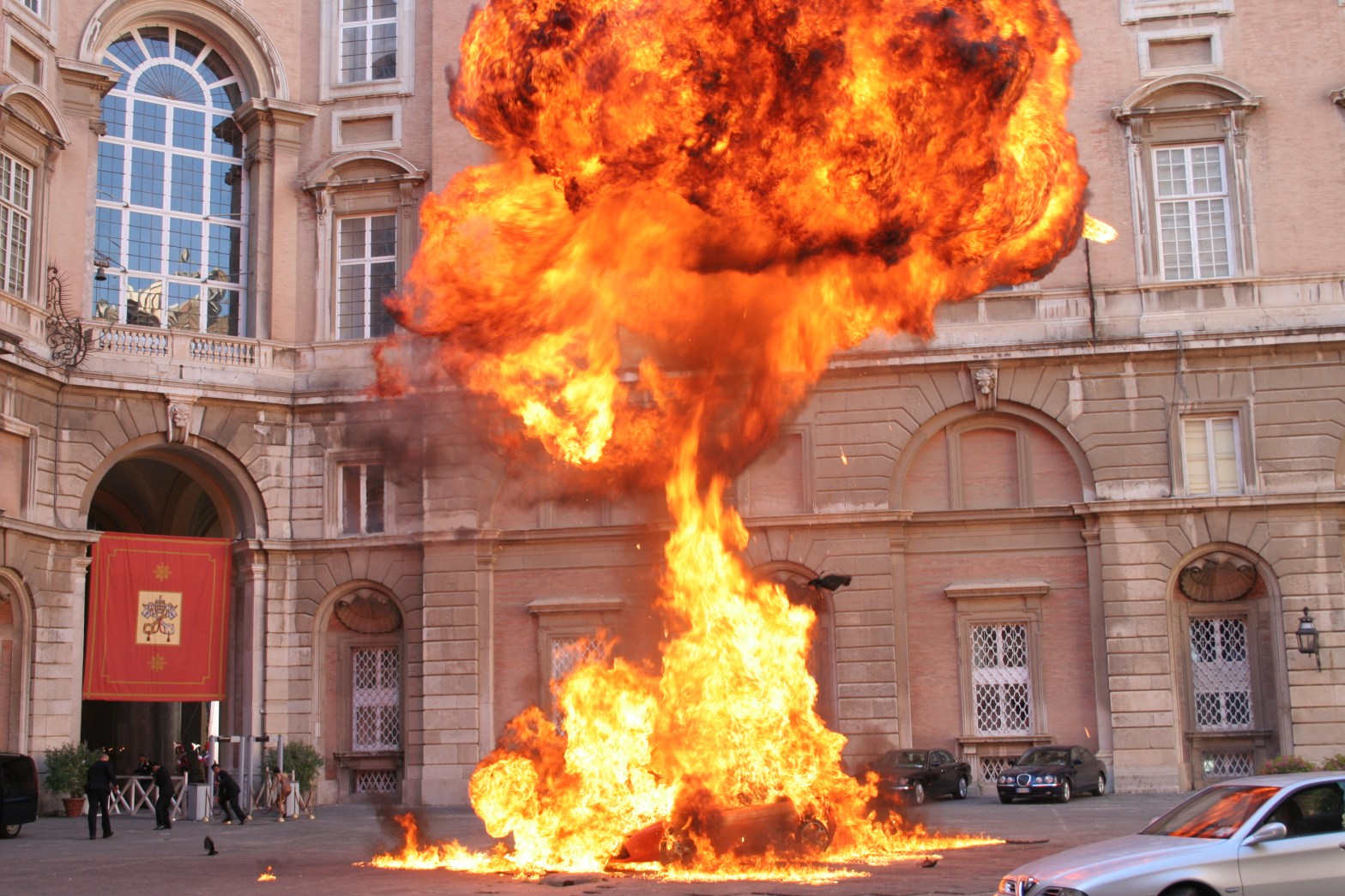
I think that practical special effects will always be required for many situations in movies but there is a fast growing technology which allows many practical fx to be recreated in post production by the visual effects team. From explosions to squibs, there are many
visuals that now can replace to a good degree our practical fx. There will always be challenges but also innovations with new technologies, practical special effects are developing with them and are always sharing more with visual effects.
 Matthew Toffolo's Summary