Interview with Cinematographer Albert Arthur (Better Call Saul, Breaking Bad)

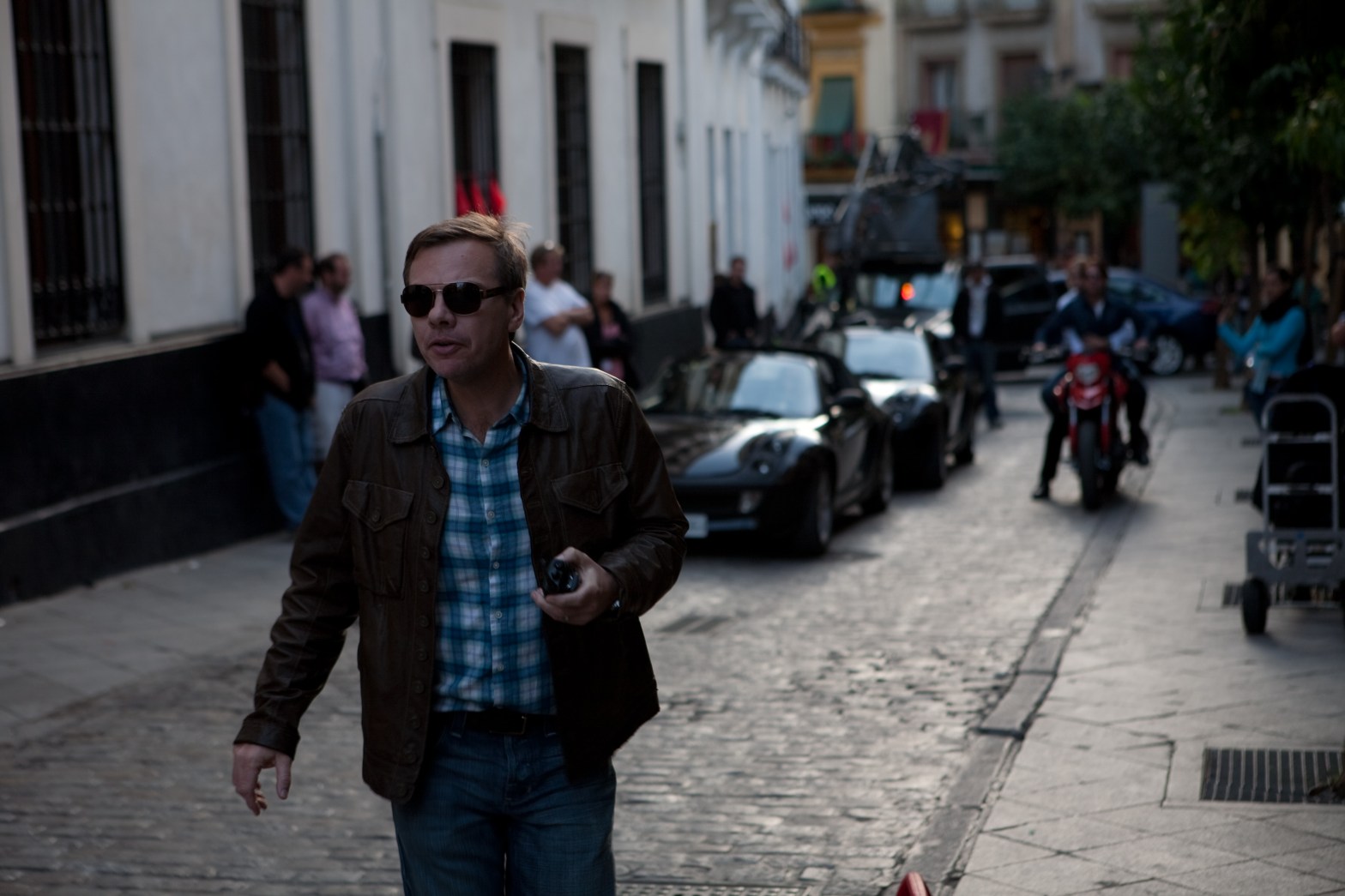
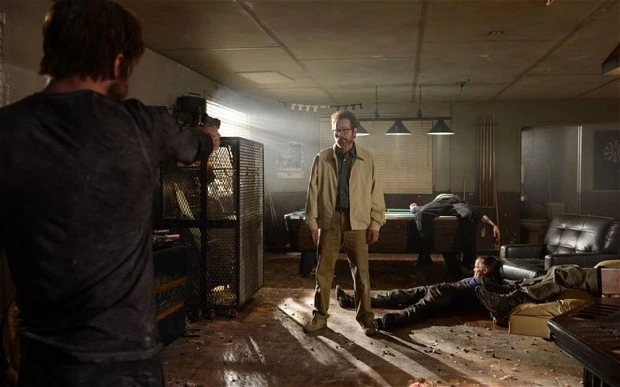
I started prep three weeks before the first day of shooting. I asked Vince Gilligan and Peter Gould if the wanted to continue the style of Breaking Bad, and their answer was that they did not want a complete break, but they wanted it to be different as well. They stressed repeatedly that they felt TV shows were all starting to look the same, and that they wanted “Saul” to look like nothing else on television. They showed me stills from “The Conformist” and from Kubrick’s work. Our first day of shooting was in bright sunlight in a skate park. I kept looking for Jean-Louis Trintignant in a period tuxedo, but he was nowhere to be found.

One point of departure was that they didn’t want the handheld look that gave ”Breaking Bad” its’ nervous energy. In fact they did not want any camera movement that was unmotivated. This was quite a departure from my last few shows, where the producers would start twitching if the camera wasn’t moving at all times. It required retraining my operators to avoid movement unless absolutely necessary.

Vince kept pushing the look darker and darker, saying “we know who they are, we don’t need to see them all the time”, which is a departure from what is essentially a comedy.
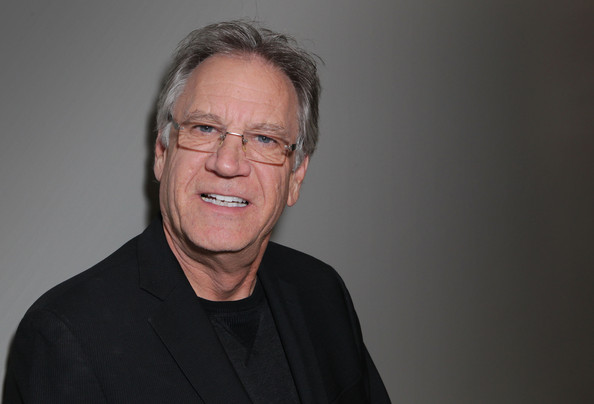
Interview with Oscar Nominated Production Designer Michael Corenblith (Apollo 13, The Blind Side)

What an honor it was to talk with the amazing Production Designer Michael Corenblith. His resume is filled with some of the best movies in the last 20 years, including: Saving Mr. Banks, The Campaign, Game Change, Dinner for Schmucks, The Blind Side, Frost/Nixon, Apollo 13.

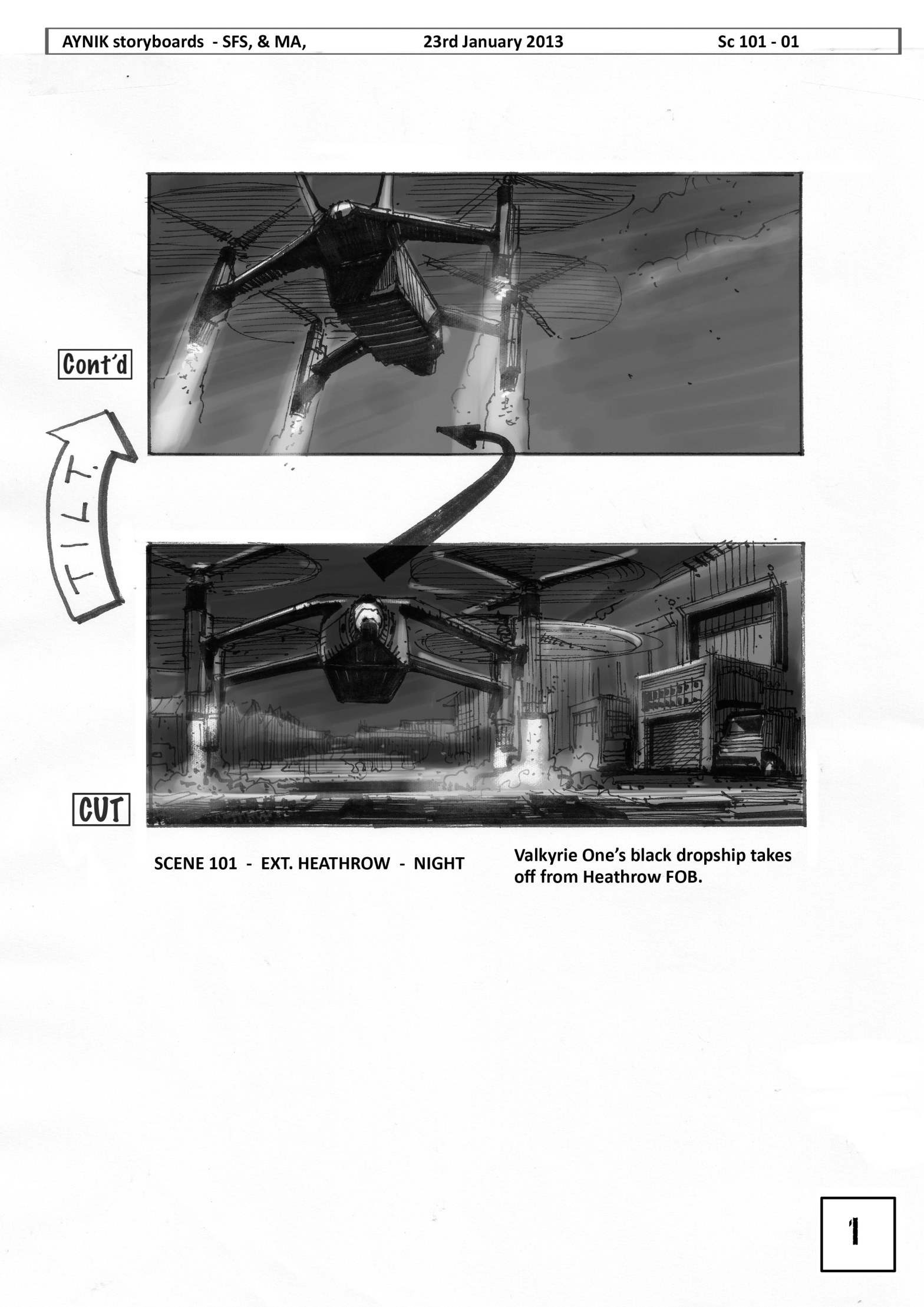
Interview with Storyboard Artist Stephen Forrest-Smith (Star Wars, Harry Potter, The Dark Knight)

There really is no normal to my job anymore. Every project seems to be different and now and asks for different. A film project could call on a storyboard artist at any stage from pre-pre production, ( when the film is trying to get funding) right the way through to post production for VFX, (after principal photography has been completed). The bulk of my work tends to be early in the pre-production taking the first pass at sequences to get the ball rolling on them. Usually I’d start with a chat with a Director, though it could be VFX supervisor, production designer and then work on from there. I use to expect to finish when filming starts but now i might stay almost to the end of shooting then be called back for reshoots and post production.

Interview with Graphic Designer Tina Charad (Maleficent, Fifty Shades of Grey)

It really does depend. On the whole, a large studio film in the UK could be 9/10 months work. The prep time is longer as is the shooting schedule. I have worked both in the UK, where I started and the US, where I now live. In the UK the Graphic Designer is really responsible for a large amount more work than the US. That may sound bizarre in terms of the work load varying but in the US there are a lot more print houses and production places that can facilitate some of the graphic design parts where as in the UK, the Graphic Designer creates all the Art department, set dec & prop pieces – no matter how big or small.

Interview with 1st AD Mathew Dunne (War for the Planet of the Apes)

General crew members can work on three/ four movies a year, so they see all sorts. They know immediately if you know what you’re doing. They want information. They want to work as efficiently as possible and as soon as they see that you’re on top of it, you’re in.

You have two great opportunities to establish this with a large group of people. The Production Meeting before shooting begins and the safety meeting on the first d

Interview with Art Director Jeremy Woolsey (Pitch Perfect, Million Dollar Arm, Dirty Grandpa)

You’ve worked in the Art Department in over 40 productions in the last 10 years. Is there one or two films that you’re most proud of?

I am proud to be a part of the runaway hit
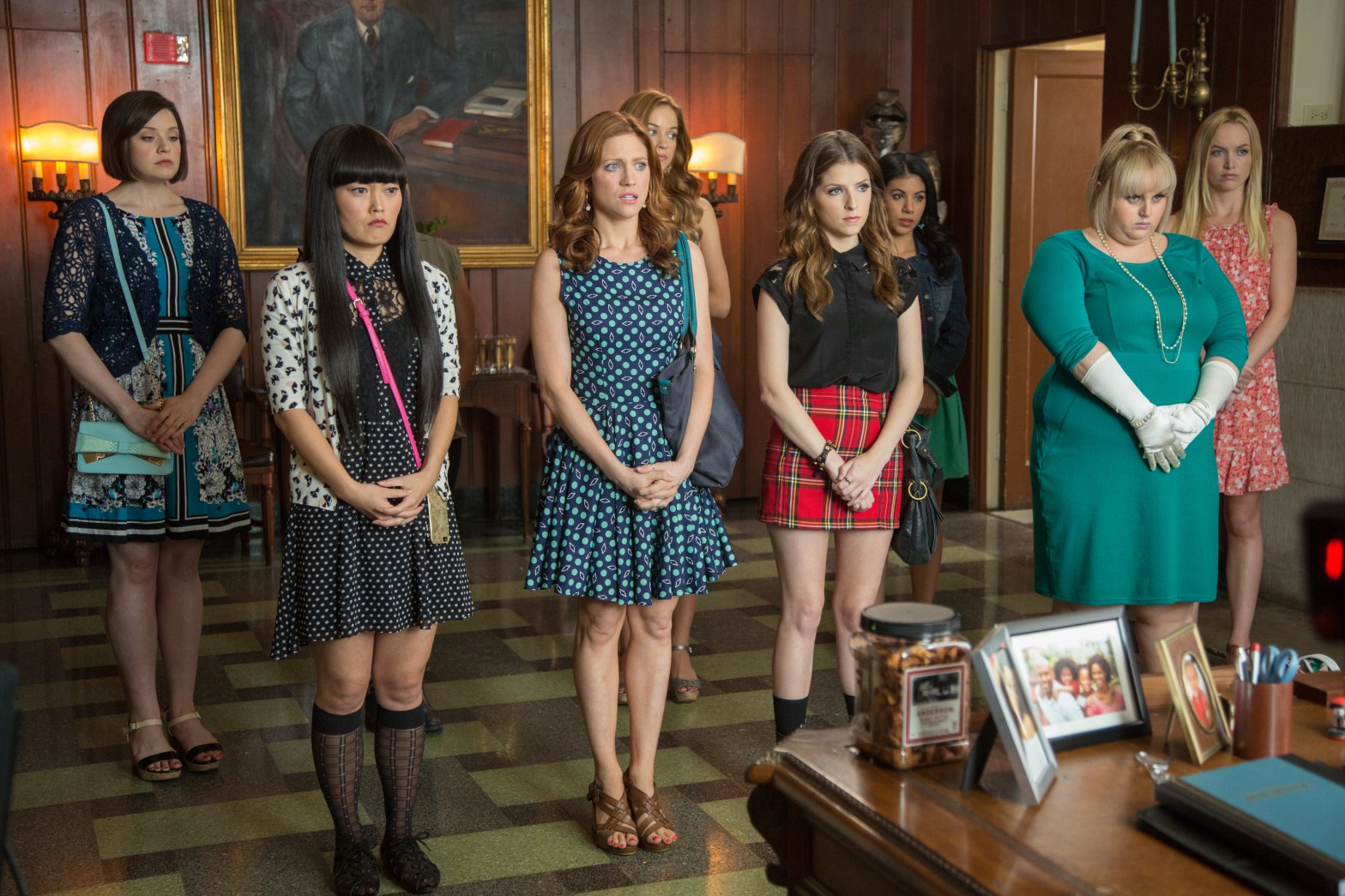
“Pitch Perfect” .. That film has touched a great deal of people. And I think our work on “Million Dollar Arm” was rewarding.

Tips on Negotiating when setting up a project

NEGOTIATING FILMMAKING NOTES How to Negotiate – Every aspect of producing involves negotiating, in one form or another. You always need to go in with the attitude that people already want to work with you. 12 MAJOR POINTS TO REMEMBER IN NEGOTIATIONS 1. PLAN WITH YOUR LIMITATIONS IN MIND Know you limitations. In poker they… Continue reading Tips on Negotiating when setting up a project

Directing Actors. And Actors working with Directors. TIPS

DIRECTING ACTORS FILMMAKING NOTES Film Directing and being a Film Director What Is A Film Director? How do you run an independent film casting call? How do you get the best out of the actors you’ve chosen to bring your film to life? Whether you’re running your first independent film casting call or into your… Continue reading Directing Actors. And Actors working with Directors. TIPS