Interview with Cinematographer Albert Arthur (Better Call Saul, Breaking Bad)

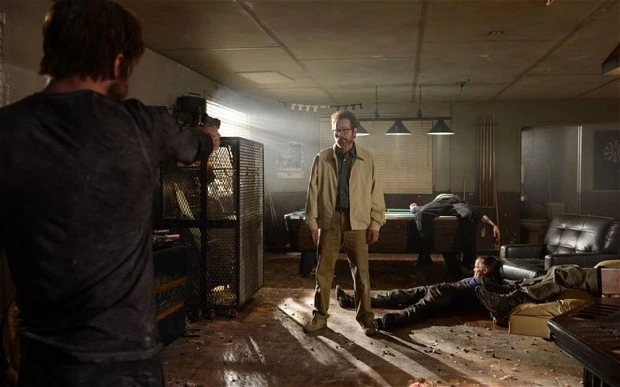
I started prep three weeks before the first day of shooting. I asked Vince Gilligan and Peter Gould if the wanted to continue the style of Breaking Bad, and their answer was that they did not want a complete break, but they wanted it to be different as well. They stressed repeatedly that they felt TV shows were all starting to look the same, and that they wanted “Saul” to look like nothing else on television. They showed me stills from “The Conformist” and from Kubrick’s work. Our first day of shooting was in bright sunlight in a skate park. I kept looking for Jean-Louis Trintignant in a period tuxedo, but he was nowhere to be found.

One point of departure was that they didn’t want the handheld look that gave ”Breaking Bad” its’ nervous energy. In fact they did not want any camera movement that was unmotivated. This was quite a departure from my last few shows, where the producers would start twitching if the camera wasn’t moving at all times. It required retraining my operators to avoid movement unless absolutely necessary.

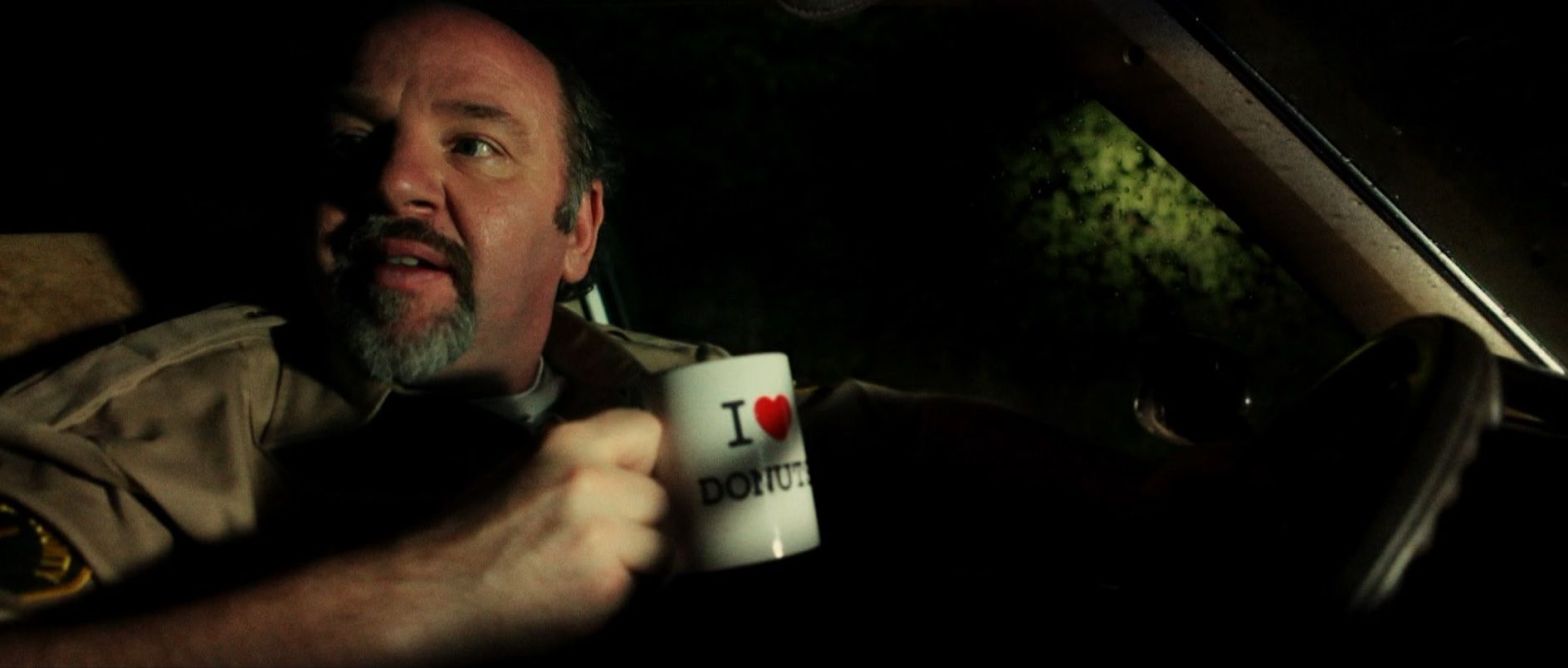
Vince kept pushing the look darker and darker, saying “we know who they are, we don’t need to see them all the time”, which is a departure from what is essentially a comedy.

Interview with Tim Kail (The Work of Wrestling)

I’m not convinced Vince McMahon wants good quality wrestling or that good quality wrestling is his priority. I’m not convinced Vince McMahon is even a fan of professional wrestling; at least I don’t think he’s shrugged off the insecurity a lot of wrestling fans have about loving this form of performance art. I sense a degree of self-consciousness in him, an unwillingness to accept the roots of his chosen form. I do think Vince McMahon wants to create a good quality show, however. I think he absolutely adores show-business and spectacle, and I think he’s a master of spectacle. I think there’s a frustrated filmmaker in Vince McMahon, and that he would love to have been a big time movie director ruling Hollywood during the Golden Age. I see that frustration, that dissatisfaction when I watch RAW from time to time. He often says “we make mini movies” and I hear top members of the roster recite that nonsense too. It’s the kind of thing a young, insecure artist thinks, comparing their chosen form to something typically regarded as “higher art” instead of just being proud of their chosen medium. It’s like a painter saying “I make mini songs”. No. You don’t. You make paintings – so make paintings and be good at it and don’t worry about making anything else. Or, if you want to make mini songs, become a musician. And I suppose that would lead me to what I’d like to discuss with him – I’d want to ask him why he believes “Sports Entertainment” is superior to professional wrestling, I’d want to know what his understanding of pro-wrestling actually is, what medium he thinks he’s actually working in, and whether or not he’s doing what he actually wants to be doing with his life. I’d want to know if he’s willing to work with his talent to tell great stories again. I respect his tenacity and his ability to create marvelous, money-making spectacles, I just wonder if he’d be happier making films in the 1940s and 1950s or variety television shows in the 1960s & 1970s.

Interview with Special Effects Supervisor Daniel Acon (Zoolander 2, Gangs of New York, Passion of the Christ)

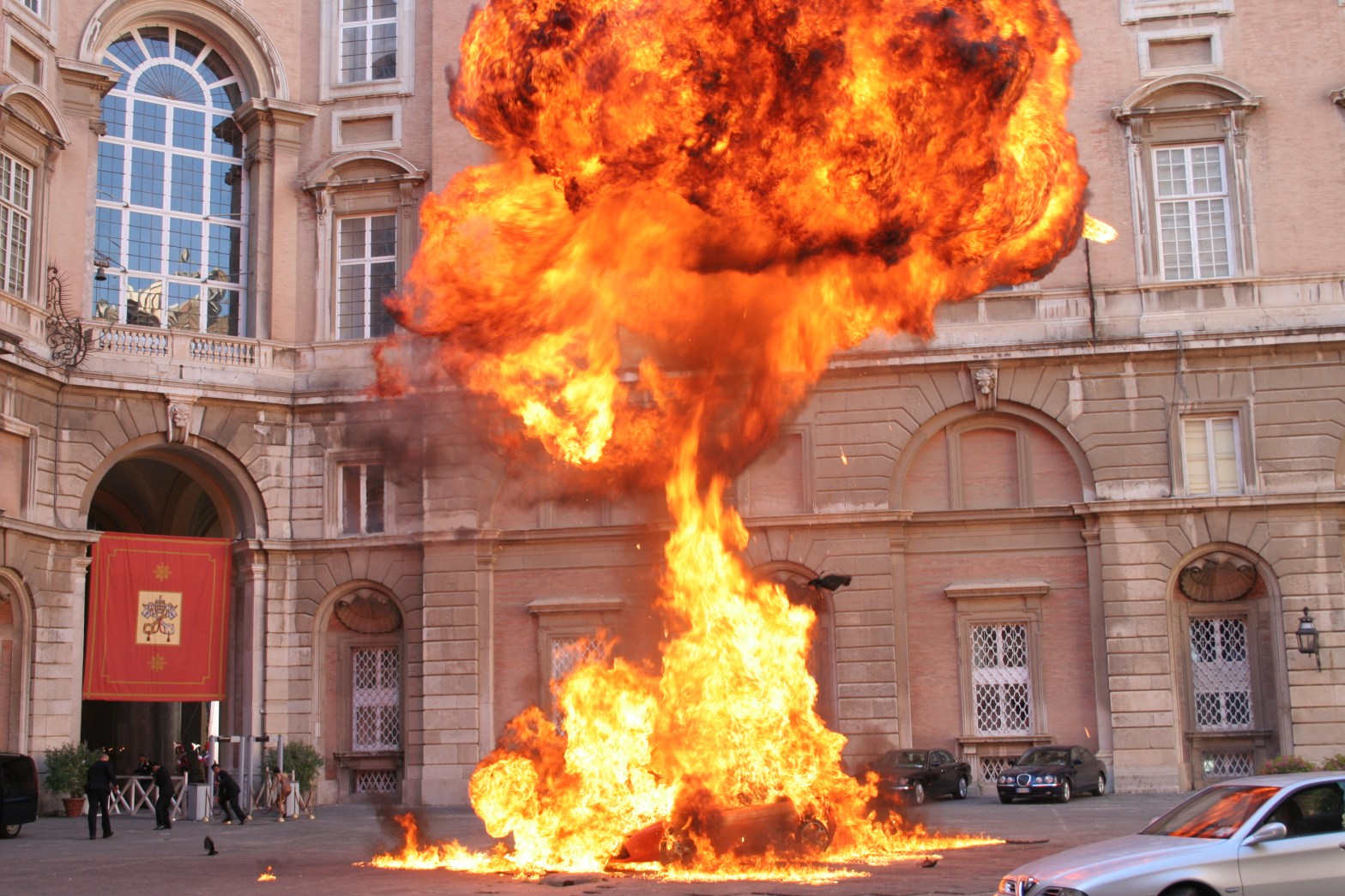
I think that practical special effects will always be required for many situations in movies but there is a fast growing technology which allows many practical fx to be recreated in post production by the visual effects team. From explosions to squibs, there are many

visuals that now can replace to a good degree our practical fx. There will always be challenges but also innovations with new technologies, practical special effects are developing with them and are always sharing more with visual effects.

Interview with Filmmaker Hojin Kim (BURGLAR)

This Irish oil painter had boyfriend named George Dyer. Bacon first met Dyer in 1964 when he broke into his apartment. The portrait of George Dyer was the first motivation to make the Burglar.

Interview with Filmmaker William Mussini (F**KING WORLD)

The short film F**KING WORLD is a must see 1 minute blast. It hits on a lot of emotions that many of us are feelings, plus it’s really funny. William Mussini’s film played to rave reviews at the WILDsound FEEDBACK January 2016 Film Festival.

Interview with filmmaker Jordan Inconstant (YO SOY PEDRO)

I was very surprised! There is no other festival that offers this, it’s great! To see the public reaction and to take part in the festival. There was a little debate about the fact that the film was shot in French while the atmosphere is American, it was interesting. This has pleased all the film crew, Sylvain Ott, composer joins me in thanking you for the price of the best music.

Interview with Animator Matt Burniston (The Mega Plush – Winner Best Film January 2016 Film Festival)

I loved it. It was a totally new experience for me. I’ve obviously shown the film to a lot of friends and people I meet, and it is great to see their reaction as they watch the film. But having people who know about film talk about and comment on your work is something very different. The fact that the audience picked up on some of the small details about the characters & story line gives me a renewed devotion to finish up the series.

Interview with Music Editor/Composer John M. Davis (Pride and Prejudice and Zombies)

Not really. Music is something I’ve always done. I was arranging for bands and choirs from junior high on. I went to NYU film school with the intention of becoming a director or screenwriter, but over time I discovered that my musical abilities were more unique and more marketable.

Interview with Filmmaker Francesco Faralli (LIKE IN THE MOVIES)

I was interested and a little in apprehension. I think it’s very important to laugh about Tiziano’s errors because if you feel guilty to laugh about it it’s because you feel a kind of distance from him and your thought is something like “poor thing, I feel sorry for him and his condition, so I shouldn’t laugh about it”; instead, Daniele taught me that equality goes from here too, you can laugh as long as you can see and appreciate the efforts.

Interview with filmmaker Hani Eskander (OH MY OH AGAMI)

Here are actual people, physically there, physically commenting and reacting to something I had created earlier at home, almost alone. I loved what most had to say and I cannot descrivbe how happy it makes any filmmaker I’m sure, to watch audience feeling and reacting to the film he/she helped create. It’s a very reassuring feeling… that film is powerful… it DOES transcend space and time and gets a message and an emotion through very well.