
Anaëlle Morf’s short film “Jewish Blind Date” played at the Comedy FEEDBACK Film Festival in March 2016 to rave reviews. Her film also won Best Musical Score at the festival.
Category: filmmaking notes
Interview with Cinematographer Trent Opaloch (Captain America: Civil War)
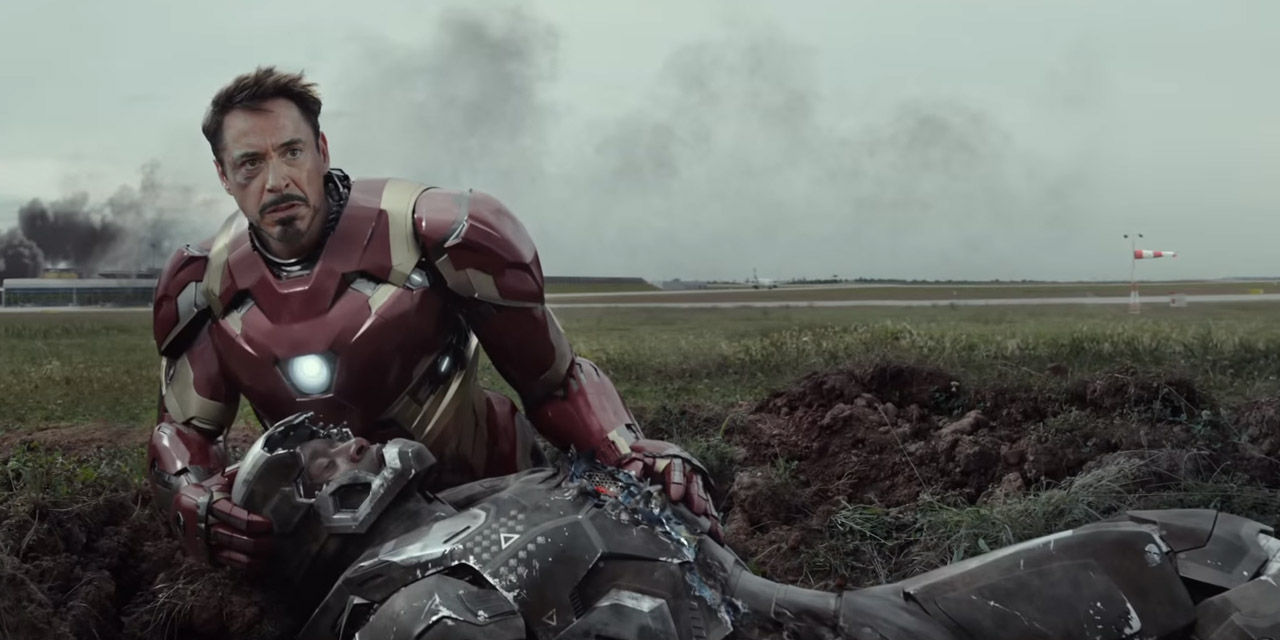
Trent Opaloch is easily the most talented and sought after cinematographers in the world today. He has DP’d for director Neil Blomkamp on “District 9”, “Elysium”, and “Chappie”, and director’s Anthony & Joe Russo on “Captain America: Winter Soldier”, and the upcoming “Captain America: Civil War”. It was an honor to sit down with him to chat about his career and the art of cinematography.
Interview with Cinematographer Julio Macat (Home Alone, Wedding Crashers, The Boss)
The biggest change in our industry has been the choice of material that studios and most independent financing companies green light, as what films are made. It used to be that a film like ORDINARY PEOPLE would have no problem going forward, especially with a good director attached. Now, great films like that rarely get made anymore. I miss that.
Interview with Filmmaker Tyler Wallach (FROG)
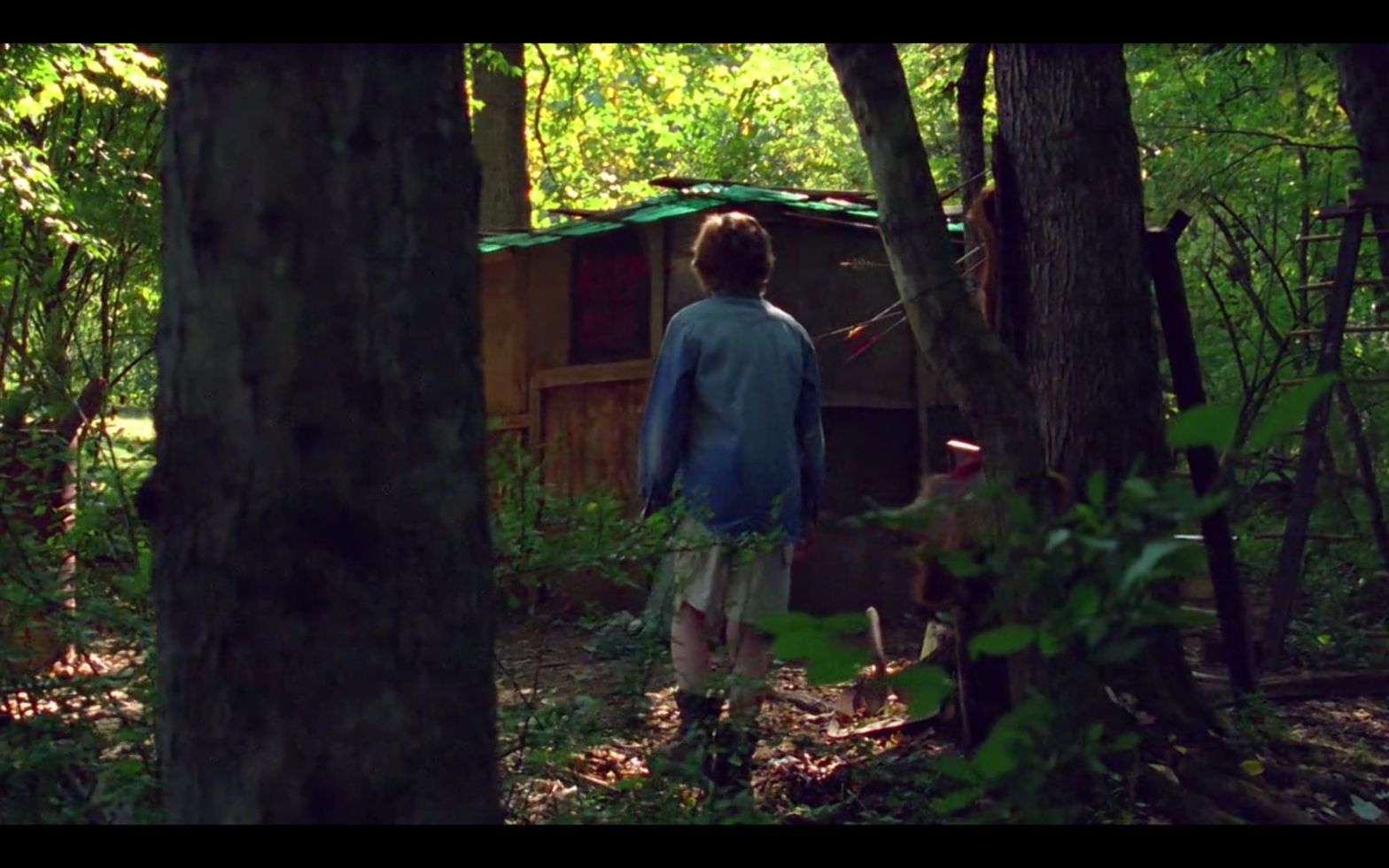
Tyler Wallach’s short film FROG played at the Family FEEDBACK Film Festival in March 2016. It was the winner of Best Cinematography at the festival. WEBSITE Interview with Tyler Wallach: Matthew Toffolo: What motivated you to make this film? Tyler Wallach: The belief that stories are important and best when shared. And that Frogs are… Continue reading Interview with Filmmaker Tyler Wallach (FROG)
Interview with Emmy Winning Make-Up Artist Paul Engelen (Game of Thrones)
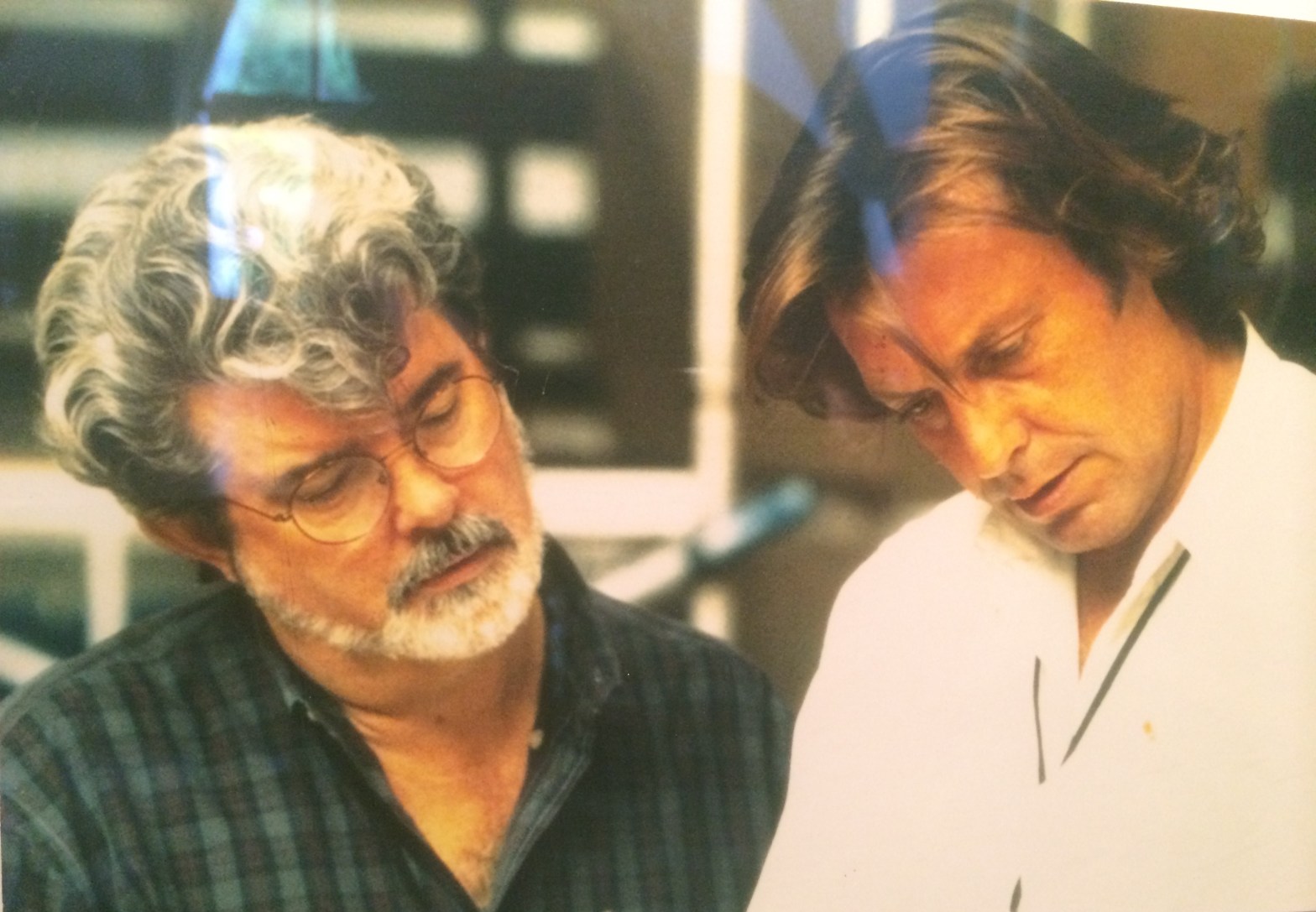
Paul Engelen is is 2 time Emmy winner, and 2 time Oscar nominated Makeup artist. He has worked on some of the greatest/most successful films and TV shows in the last 40 years, including: Game of Thrones (2 Emmy wins), Mary Shelley’s Frankenstein (Oscar nomination), The Legend of Tarzan (Oscar nomination), Star Wars: The Phantom… Continue reading Interview with Emmy Winning Make-Up Artist Paul Engelen (Game of Thrones)
Interview with Cinematographer Adam Kimmel (Capote, Lars and the Real Girl)
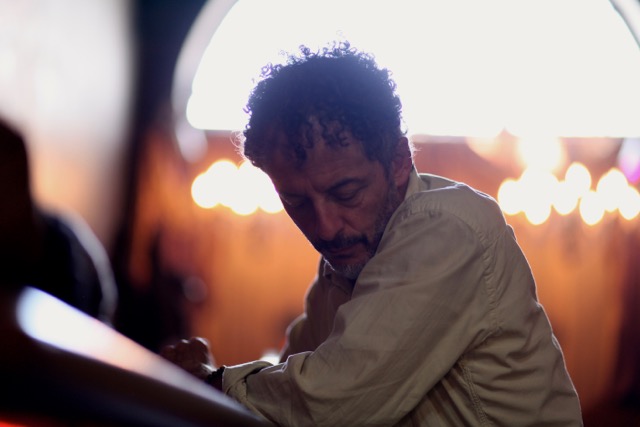
It was a great honor to sit down with the very talented DP Adam Kimmel. His career has spanned almost 30 years, starting out as a teenager being an apprentice for Cinematographer Michael Chapman. His Cinematographer credits include: “The Ref”, “Beautiful Girls”, “Almost Heroes”, “Jesus’ Son”, “Capote”, “Lars and the Real Girl”, & “Never Let… Continue reading Interview with Cinematographer Adam Kimmel (Capote, Lars and the Real Girl)
Interview with 1st AD John McKeown (50/50, Albert Nobbs)
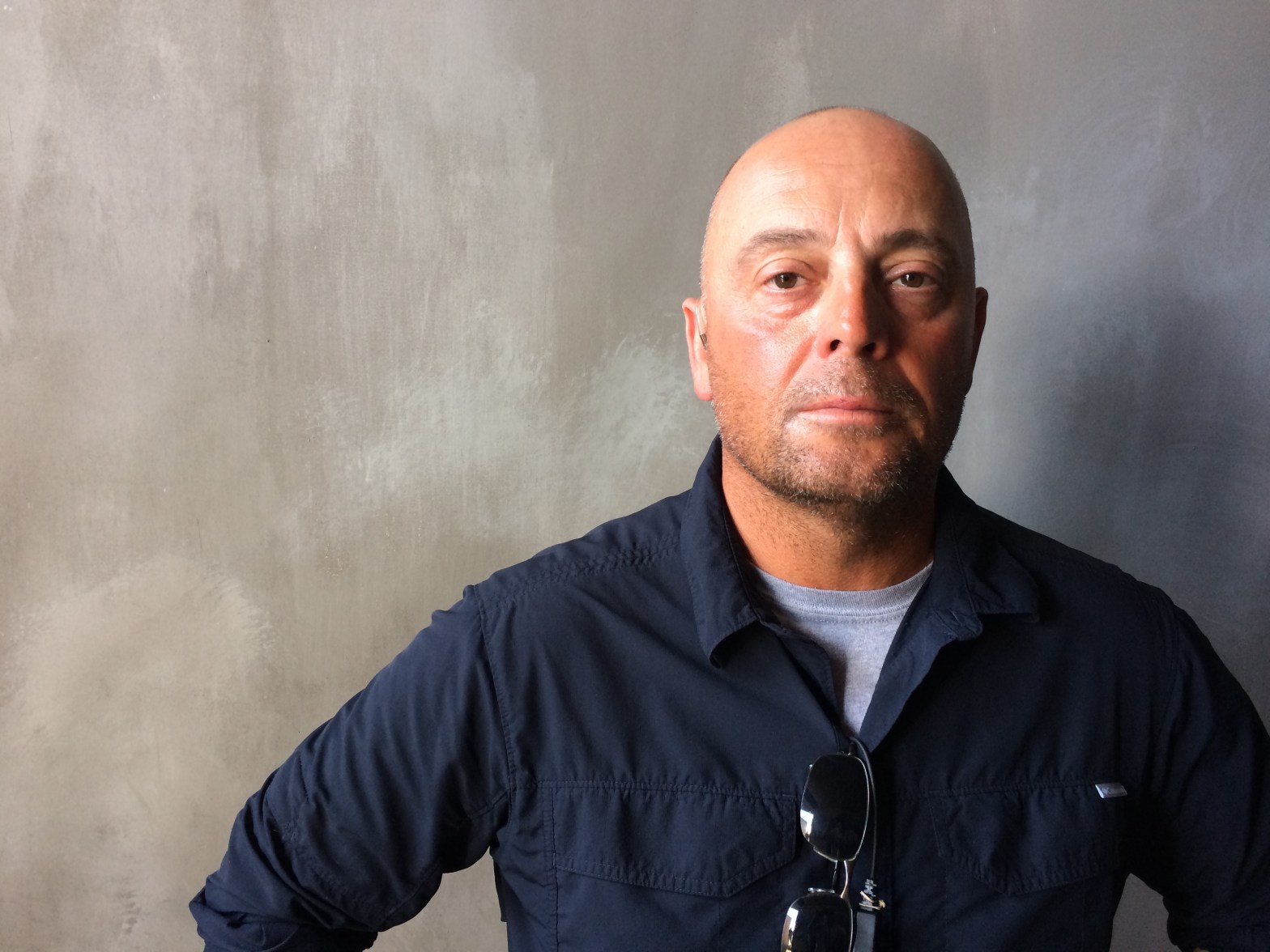
I can tell you that the qualities I look for in a 2nd AD apply to the 1st AD as well.
– A calm unflappable personality under extreme pressure
– Real attention to detail
– The ability to plan ahead and think on your feet if the plan falls apart
– The grit to do a great job when they are sick / exhausted / just had their car stolen / got yelled at by someone above the line or any number of other things that would put a regular person off their game
– Sense of humor – essential!
Interview with Cinematographer Checco Varese (The 33, Miracles From Heaven)

People have a tendancy to talk about technology too much. They try to overwhelm you with tech-gargle. You can’t get caught up in this. It’s all about the result.
It’s easier to worry about the tools. It’s hard to really talk about your skills and talent. What you are capable of. The tools will only take you so far. Technology will always have its limits.
Interview with Composer David Buckley (The Good Wife, The Town)

What a joy it was to chat with the extremely talented composer David Buckley. You can hear his music every Sunday on the hit TV series “The Good Wife”. He was also the composer on the upcoming film “The Nice Guys”, directed by Shane Black.
To learn more about David, you can go to his website: http://davidbuckleymusic.net/
Interview with Production Designer Beth Mickle (Drive, Whiskey Tango Foxtrot)
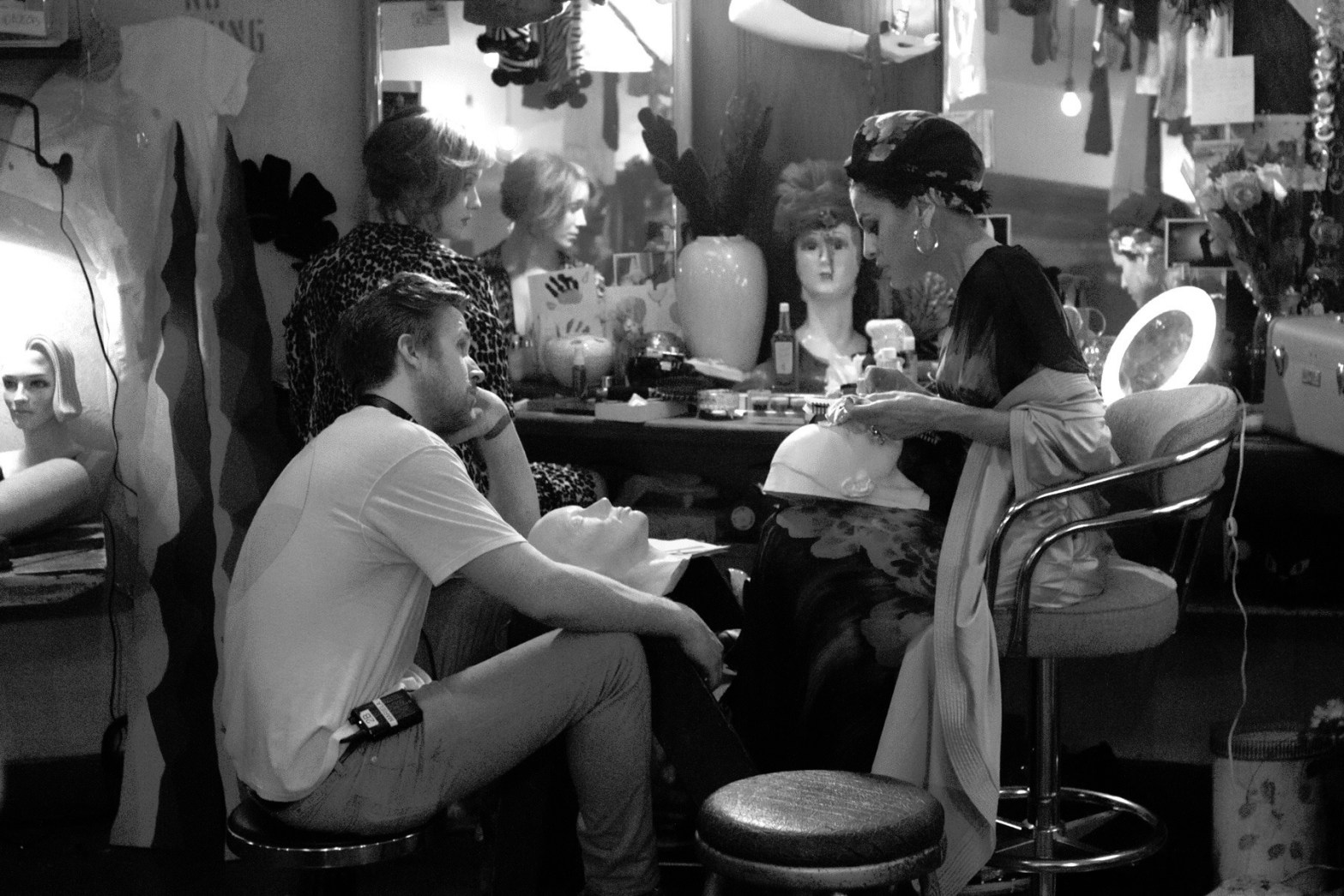
I would absolutely recommend this route for aspiring production designers. The lower budget world is where you learn to be resourceful, where you can somewhat safely make mistakes which can be recovered, where you learn the complete fundamentals of how a film is made. I try to approach every production—large or small–with a calm nature, and I think that comes from being in the trenches for so many years and learning how to adapt to in all situations. The biggest con to this route is that formal “union” filmmaking can be a bit jarring when you do finally make the leap to the larger arena—but once you learn those nuances, the process really smooths out. That is definitely one pro if you do start in the larger union world—you learn those protocols right away, so you enter the film world knowing how union positions are categorized and how the different departmental responsibilities are broken down.
 Matthew Toffolo's Summary