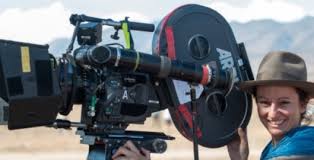
I think working with Nicolas Winding Refn is a gift for any cinematographer, because he is interested in visual story telling, in poetry, in suggesting rather than narrating. He doesn’t care about the conventional established representational mode of film story telling, he goes beyond, and for me thats what always been exiting in film making. I always tend to look for directors that are working in this direction, but Nic is probably the most extreme of them, and that’s what I love about him. He pushes me to get the bravest part of myself, to jump the abyss, he doesn’t care if we fall and crash while trying, he would rather try and fail than to stay in a safe territory. So, I love jumping with him, and most of the time, we don’t fall but we fly.
Category: film notes
Interview with Editor Jake Roberts (Oscar Nominated film BROOKLYN)
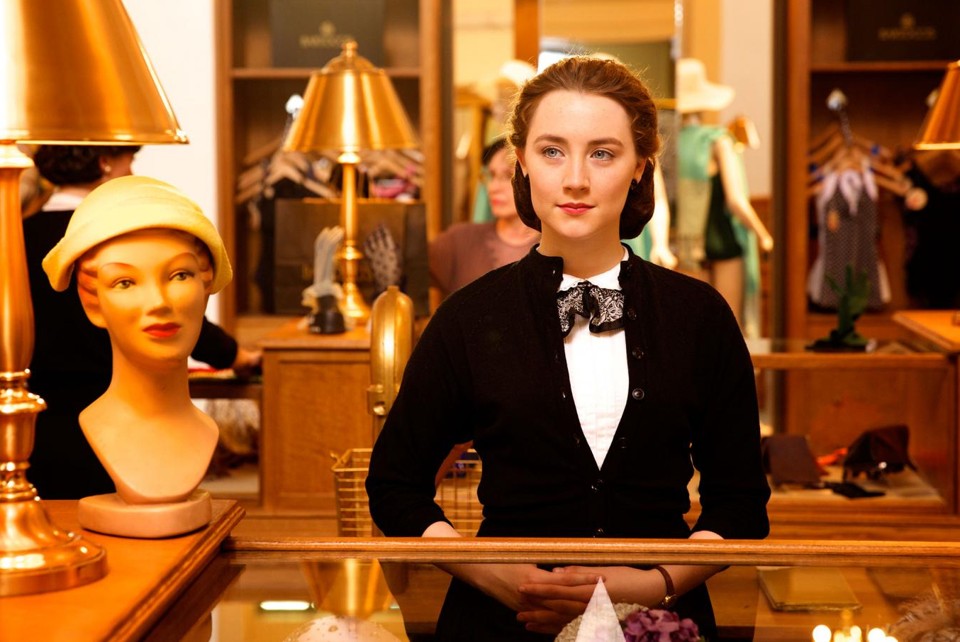
‘Brooklyn’ was a great experience. There was a really positive energy throughout the shoot and it felt like we might be working on something quite special. It was personal to a lot of the people involved and that seemed to come through in the material and that makes you want to raise your game, especially when you’re watching a performance like Saoirse’s unfold you feel a huge pressure to do it justice. Once John and I were back in London we cut for about 3 months and obviously there was plenty of back and forth but at the same time it was quite a calm and controlled process. We had a very strong first assembly and we never deviated too far from it or went down too many experimental cul-de-sacs. This is largely a testament to Nick’s script which only needed the subtlest of refinements so essentially it was about distillation, making it as tight as possible and all the while carefully calibrating the emotional journey through the performances. As for the Oscars it is all a surreal bonus, like I say you hope as you work on something that it is special and obviously a nomination suggests you did something right but the most thrilling thing is that a wide audience gets to see it and thankfully it seems we managed to strike a chord with a lot of them.
Interview with Cinematographer Mitesh Mirchandani (NEERJA)
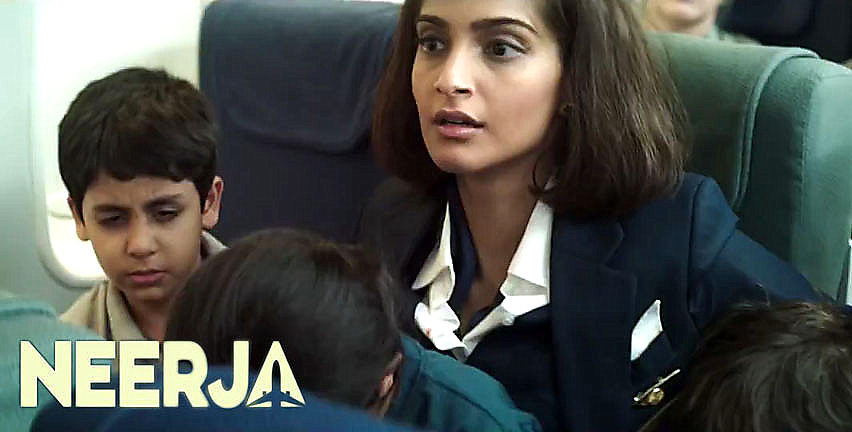
Mitesh Mirchandani is a rising cinematographer in the industry who is currently based in based in Mumbai. Only 26, he DP’d the feature film Neerja, which could be the sleeper hit movie of 2016. From here on out, his future is bright. http://www.miteshdop.com/ Interview with Mitesh Mirchandani: Matthew Toffolo: How is the film scene in India? What… Continue reading Interview with Cinematographer Mitesh Mirchandani (NEERJA)
Interview with Production Designer Jane Musky (When Harry Met Sally…, Ghost)

Jane Musky is one of the top Production Designers working in the industry today. She has designed over 40 films in the last 30 years, working with directors Mike Newell, Ivan Reitman, Andy Tennant, Gus Van Sant, Jerry Zucker, James Foley, and The Coen Brothers, to name a few. She also happens to be married to the President of the United States (well on the TV show Scandel) for the last 28 years too!
It was an honor to interview Jane and talk about her amazing career, and it looks like she’s just getting started.
LENSES & FILTERS. How to get the best shots in filmmaking
QUESTIONS TO ASK:
-What is the best viewpoint for filming this position of the event?
-How much area should be included in this shot?
SCENE defines the place or setting where the action is laid
SHOT defines a continuous view filmed by one camera without
interruption
SEQUENCE A series of scenes or shots complete in itself.
Interview with Director/Production Designer David Hackl (SAW Franchise)

I’m very proud of the Saw franchise and feel grateful to have had the opportunity to work on it. It a piece of cinema history now. I also have a real fondness for Outlander as it was one of the most epic projects that I’ve done. I had to research it like crazy and learn everything about viking architecture, culture, weaponry etc. We had to build everything, weaponry and huge sets that included a viking village with 22 buildings and an 80 foot Viking ship that was fully practical. The craftsmanship from the whole crew was outstanding in every department. I’ve always loved viking stories and would love to direct a viking feature now.
Cinematography Interviews and Production Notes
Read the best of Director of Photography interviews and Cinematography notes from the to people working in the industry today: Interview with Cinematographer Chad Griepentrog (The Bachelor Reality TV Series) https://matthewtoffolo.com/2016/02/17/interview-with-cinemtographer-chad-griepentrog-the-bachelor-reality-tv-series/ Interview with Cinematographer Albert Arthur (Better Call Saul, Breaking Bad) https://matthewtoffolo.com/2016/02/16/interview-with-cinematographer-albert-arthur-better-call-saul-breaking-bad/ Notes on CINEMATOGRAPHY – SHOTS AND CAMERA ANGLES https://matthewtoffolo.com/2015/06/01/notes-on-cinematography-shots-and-camera-angles/ Photography in Film. The art of Cinematography https://matthewtoffolo.com/2015/05/14/photography-in-film-the-art-of-cinematography/… Continue reading Cinematography Interviews and Production Notes
Interview with Costume Designer Linda Muir (The Witch, Bitten)
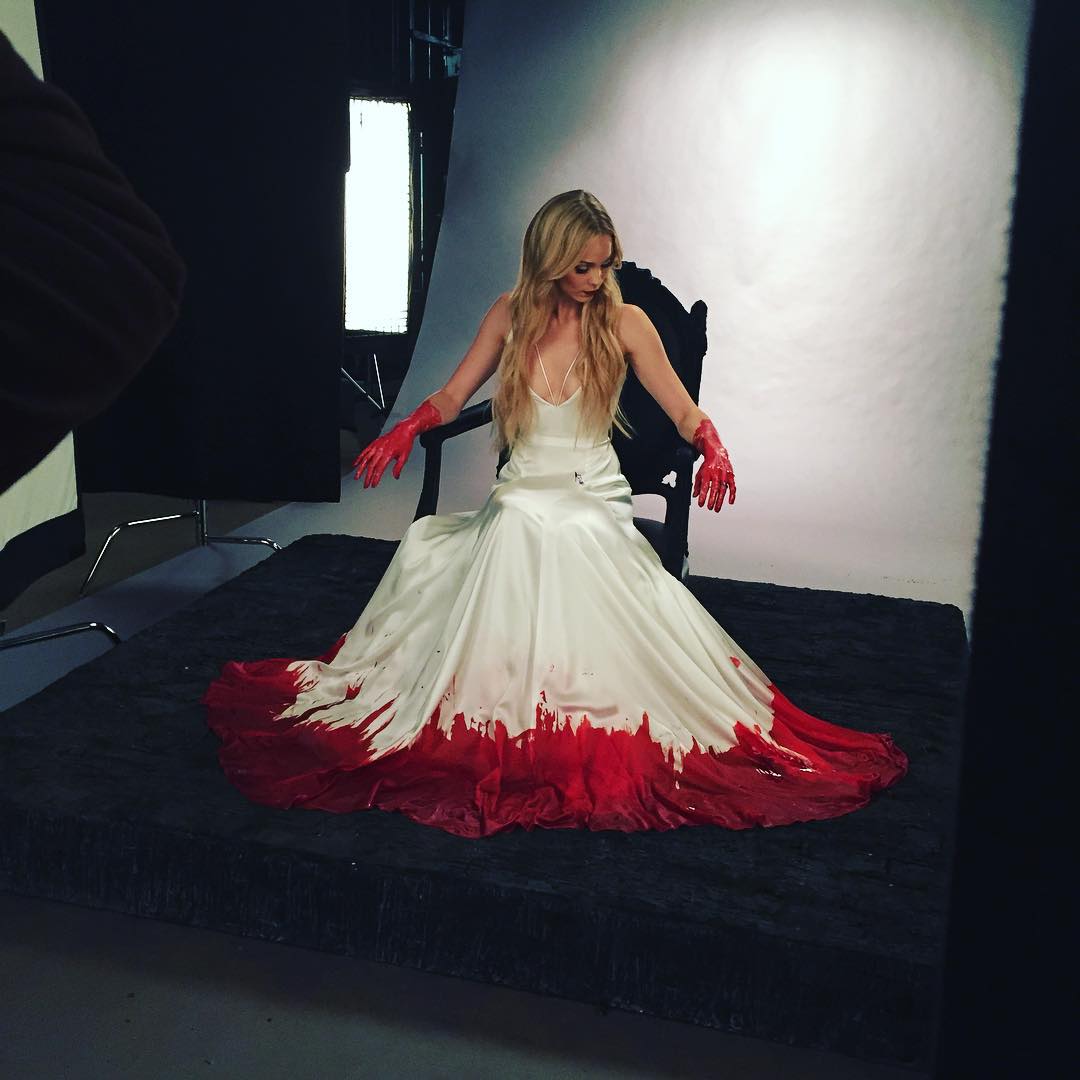
What a terrific honour it was sit down with the talented costume designer Linda Muir, who is based in Toronto, Canada. She has worked in the industry for the last 30 years, on many successful films and TV shows, which she talks about in the interview. A must read for anyone working or wanting to work in the industry today:
Interview with Oscar Nominated Production Designer Anne Seibel (Midnight in Paris, Bonjour Anne)
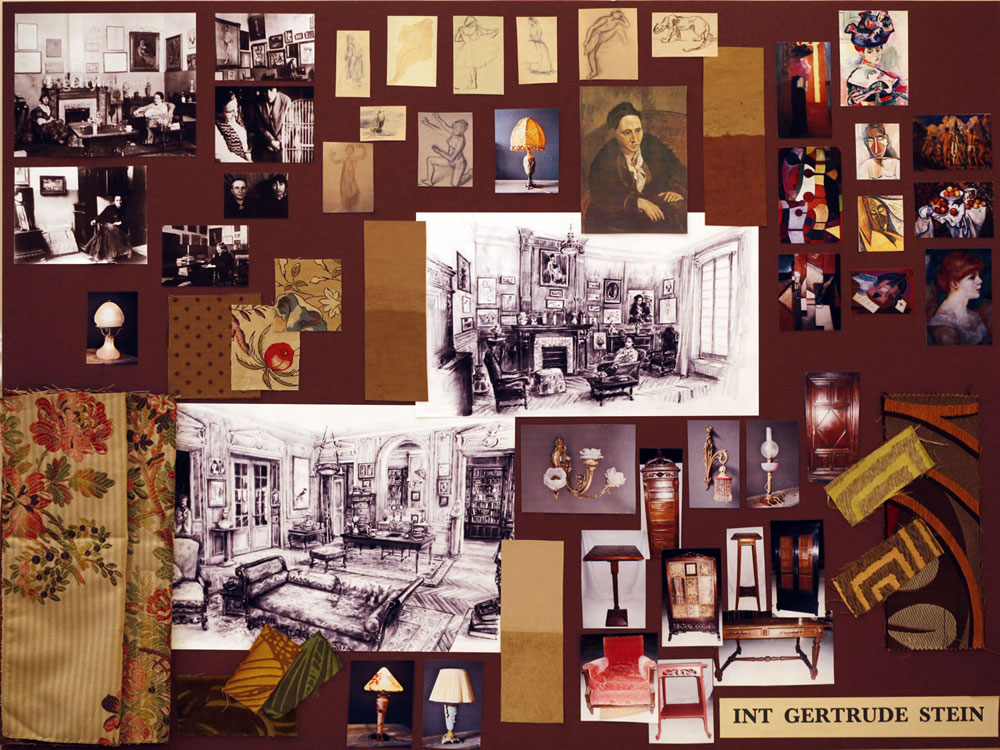
Anne Seibel earned an Oscar Nomination for “Midnight in Paris”. Based in Paris, she has worked with some of the top directors in the world today, including Steven Spielberg, David Frankel, M. Night Shyamalan, Sofia Coppola, Clint Eastwood, and 3 Production Designer assignments with Woody Allen.
Go to her website: http://www.anneseibel.com/
Interview with Cinematographer Albert Arthur (Better Call Saul, Breaking Bad)
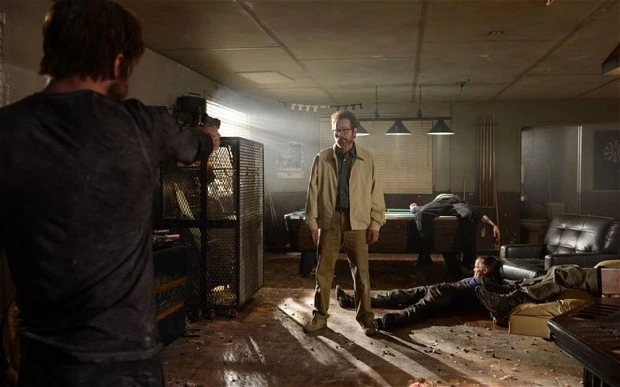
I started prep three weeks before the first day of shooting. I asked Vince Gilligan and Peter Gould if the wanted to continue the style of Breaking Bad, and their answer was that they did not want a complete break, but they wanted it to be different as well. They stressed repeatedly that they felt TV shows were all starting to look the same, and that they wanted “Saul” to look like nothing else on television. They showed me stills from “The Conformist” and from Kubrick’s work. Our first day of shooting was in bright sunlight in a skate park. I kept looking for Jean-Louis Trintignant in a period tuxedo, but he was nowhere to be found.
One point of departure was that they didn’t want the handheld look that gave ”Breaking Bad” its’ nervous energy. In fact they did not want any camera movement that was unmotivated. This was quite a departure from my last few shows, where the producers would start twitching if the camera wasn’t moving at all times. It required retraining my operators to avoid movement unless absolutely necessary.
Vince kept pushing the look darker and darker, saying “we know who they are, we don’t need to see them all the time”, which is a departure from what is essentially a comedy.
 Matthew Toffolo's Summary