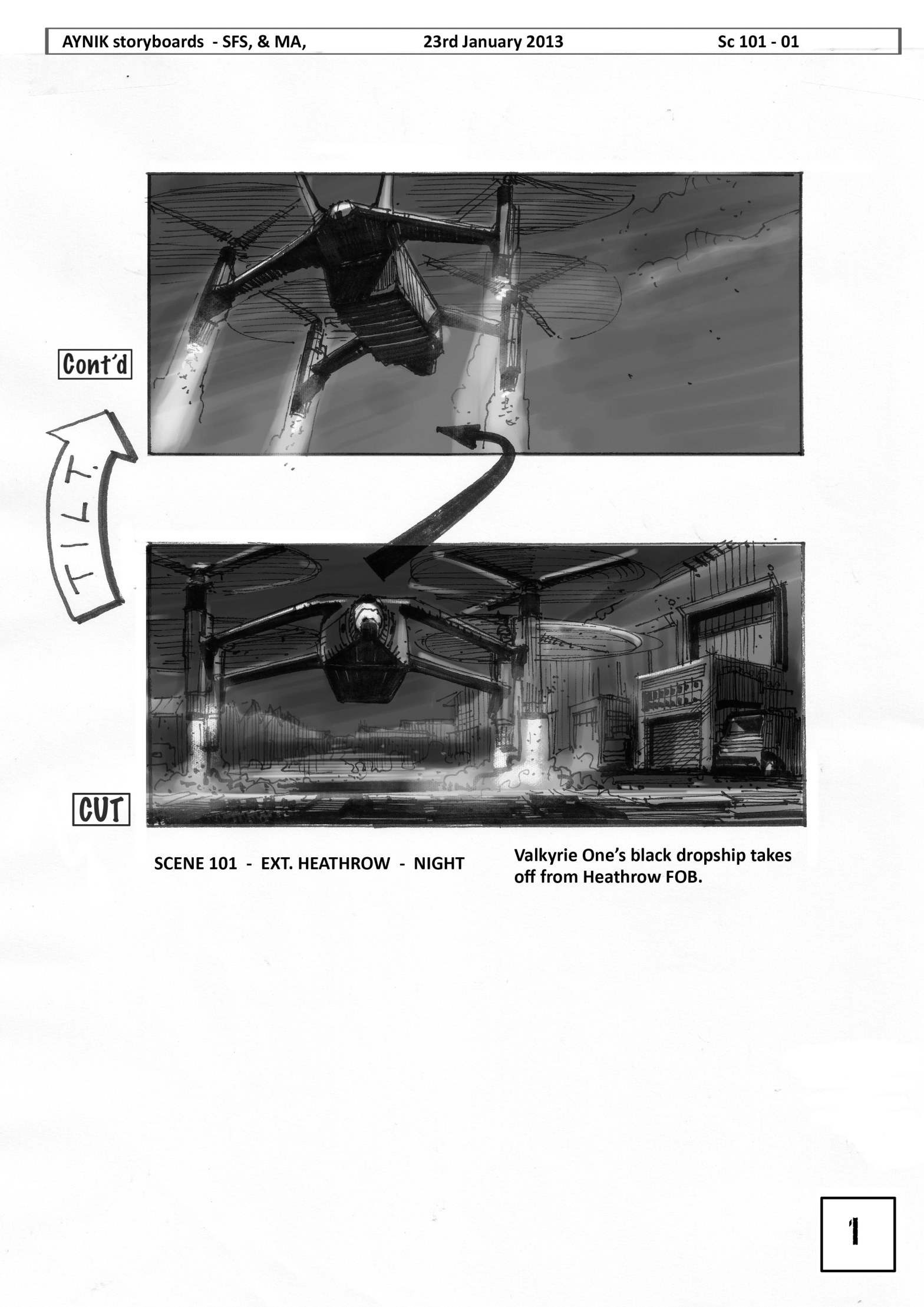
There really is no normal to my job anymore. Every project seems to be different and now and asks for different. A film project could call on a storyboard artist at any stage from pre-pre production, ( when the film is trying to get funding) right the way through to post production for VFX, (after principal photography has been completed). The bulk of my work tends to be early in the pre-production taking the first pass at sequences to get the ball rolling on them. Usually I’d start with a chat with a Director, though it could be VFX supervisor, production designer and then work on from there. I use to expect to finish when filming starts but now i might stay almost to the end of shooting then be called back for reshoots and post production.
Tag: filmmaking notes
Interview with Line Producer Alton Walpole (Crazy Heart, The Spirit, Baraka)
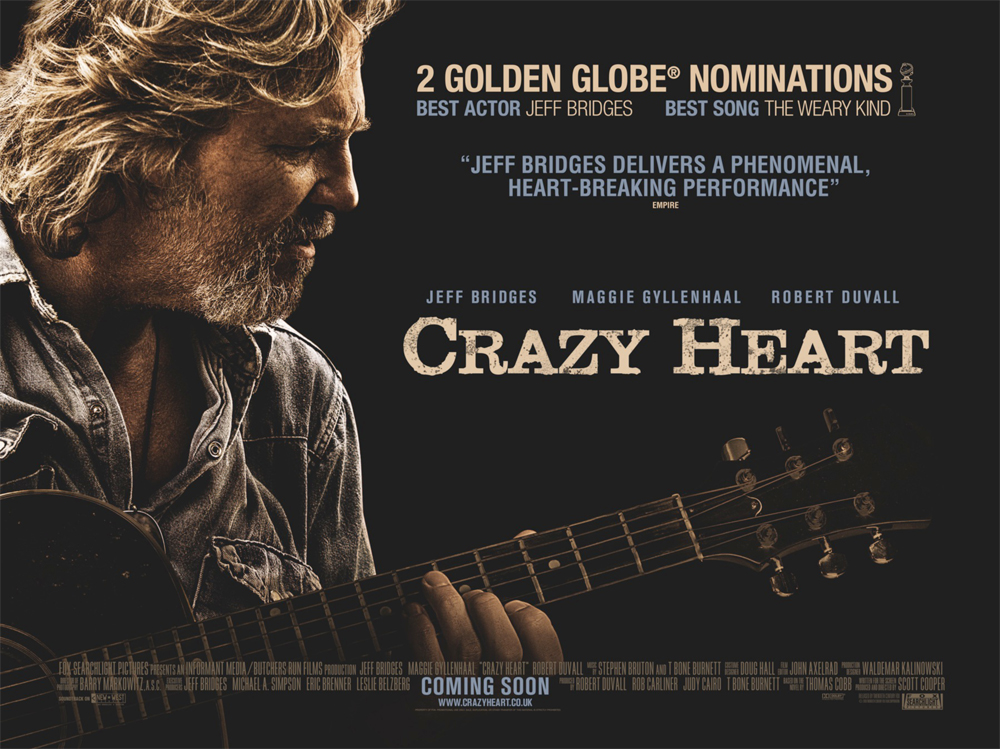
A unit production manager (UPM) is responsible for the administration of a feature film or TV production. A line producer is a type of film producer that functions as the key manager during the daily operations of a feature film, television film or an episode of a TV show. I was honored to sit down… Continue reading Interview with Line Producer Alton Walpole (Crazy Heart, The Spirit, Baraka)
Interview with Stunt Performer James Cox (Star Wars VII, The Dark Knight Rise)
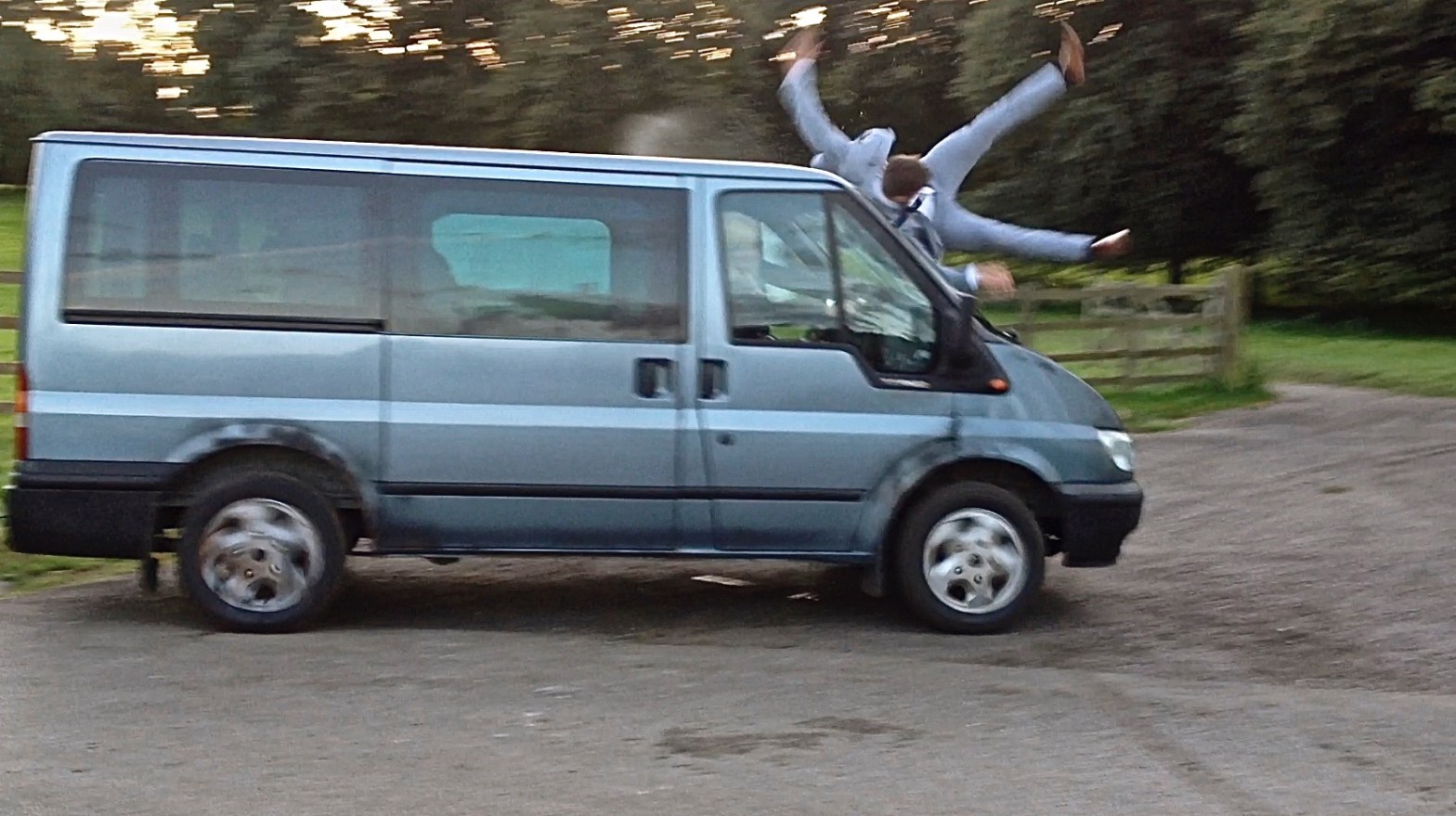
I was planning to go to university and it was while on a year out to work and earn some money that I decided to follow a childhood ambition and trying to become a stunt performer. The JISC stunt register is the world most well established body of professional stunt performers and the training is definitely extensive, ranging from Marital arts, scuba diving, gymnastics, rock climbing, horse riding, rally driving to trampolining. Needless to say I didn’t end up going to university and after training for 4 years in six different discipline I qualified and joined the elite ranks of the British Stunt Register.
Interview with Graphic Designer Tina Charad (Maleficent, Fifty Shades of Grey)
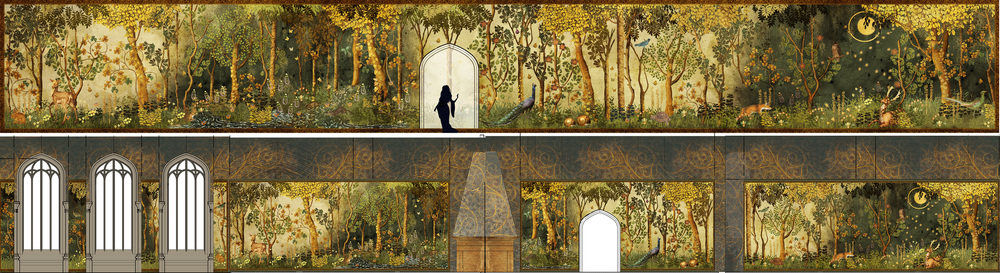
It really does depend. On the whole, a large studio film in the UK could be 9/10 months work. The prep time is longer as is the shooting schedule. I have worked both in the UK, where I started and the US, where I now live. In the UK the Graphic Designer is really responsible for a large amount more work than the US. That may sound bizarre in terms of the work load varying but in the US there are a lot more print houses and production places that can facilitate some of the graphic design parts where as in the UK, the Graphic Designer creates all the Art department, set dec & prop pieces – no matter how big or small.
Interview with 1st AD Mathew Dunne (War for the Planet of the Apes)
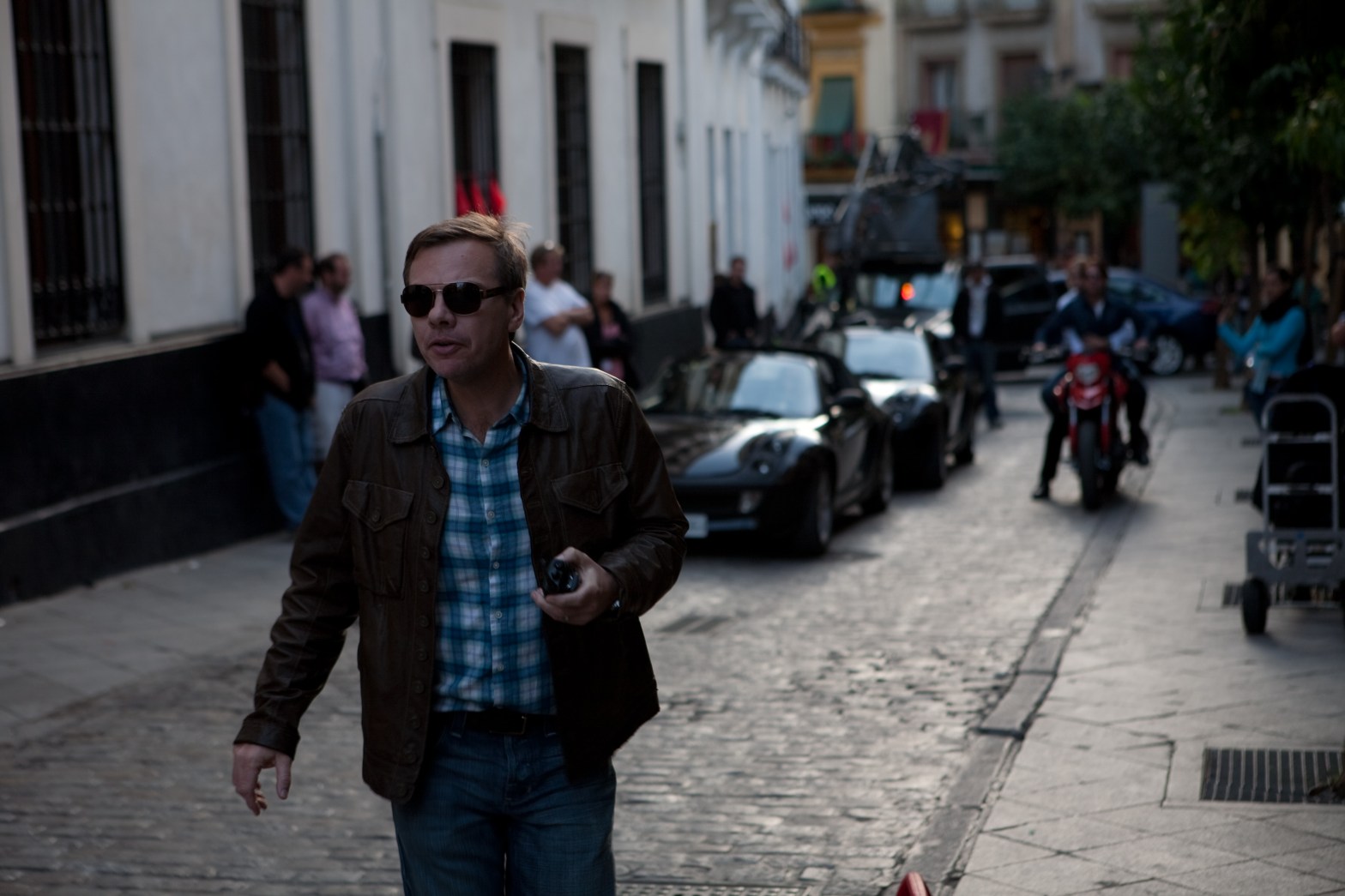
General crew members can work on three/ four movies a year, so they see all sorts. They know immediately if you know what you’re doing. They want information. They want to work as efficiently as possible and as soon as they see that you’re on top of it, you’re in.
You have two great opportunities to establish this with a large group of people. The Production Meeting before shooting begins and the safety meeting on the first d
Interview with Storyboard Artist Kurt Van der Basch (Star Wars Episodes VII and VIII)
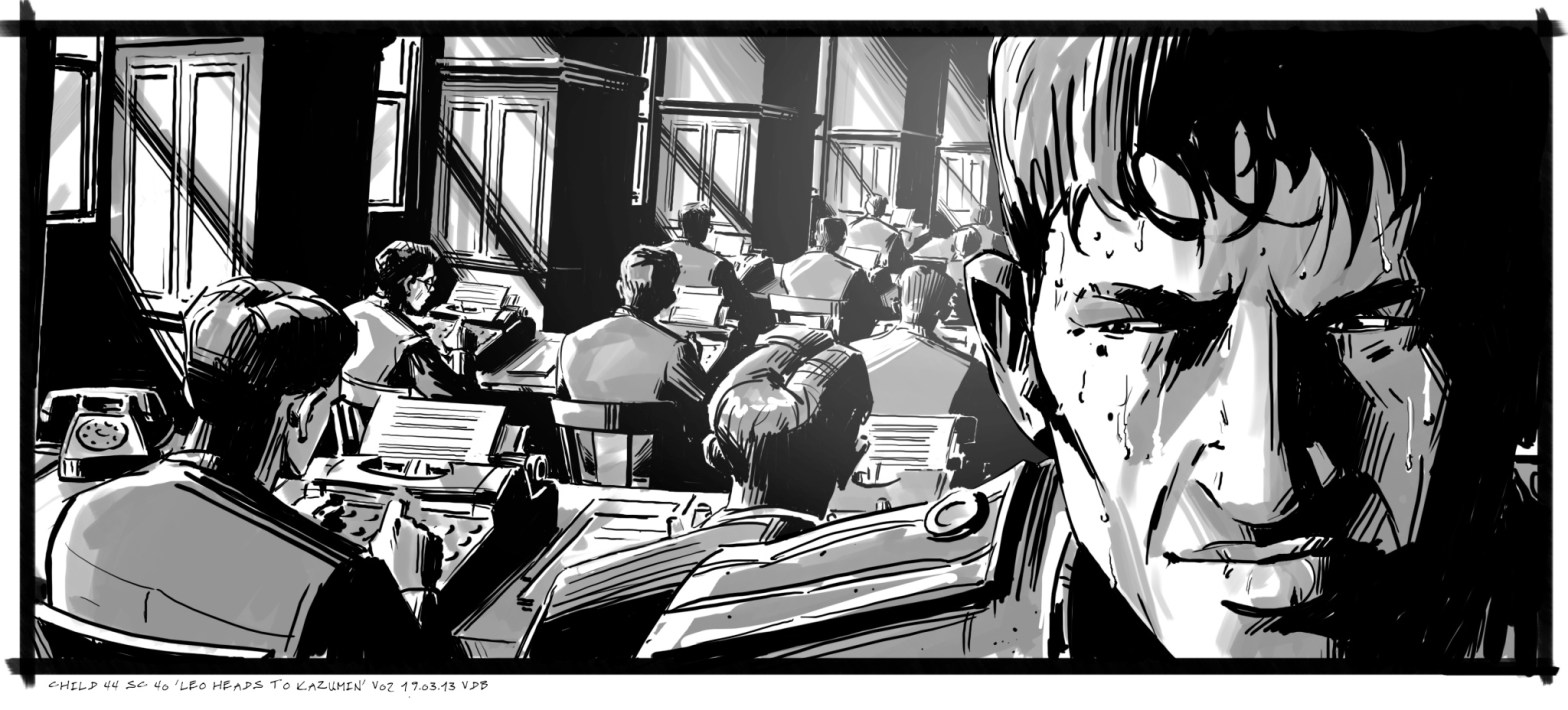
It was an honor to sit down with the brilliant storyboard artist Kurt Van der Basch, who worked on Star Wars: Episode VII. Of course he’s not allowed to talk about it, which is fine because there are so many other questions to ask him.
Please go to his website or follow him on Facebook and view 100s of storyboards from his various credits, including: Assassin’s Creed, Sense8, The Borgias, Chronicles of Narnia, and The Illusionist, to name a few.
http://www.facebook.com/kurtvanderbaschstoryboards
http://www.kurtvanderbasch.com
Interview with Foley Artist Marko Costanzo (Silence of the Lambs, The Departed, Life of Pi)
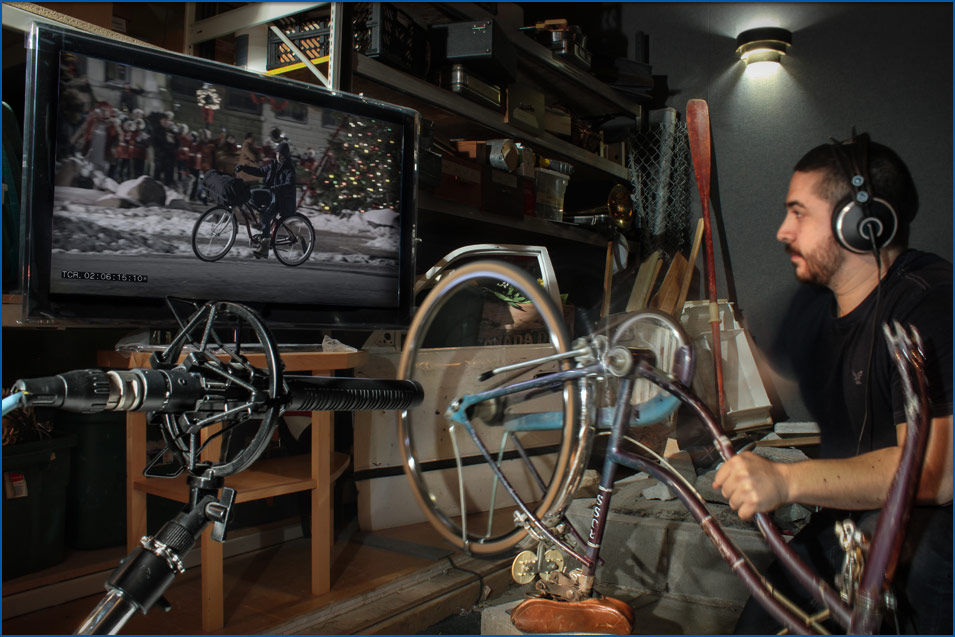
You need to be a good listener. We work for editors. Editors have different criterion for each show we work on. Some like it big and over the top. some like it subtle and more realistic. Each time a different foley editor would come into the room to supervise the recording, I would walk away with a better understanding about how things should sound. It’s important to gain the trust of your editors and listen to what they have to say. When they want something heavier you need to understand what they mean. Does heavier mean louder? Bigger? It’s a subjective art with lots of possible variations. It’s important to do things the way the client intends for it to be heard.
Interview with Art Director Jeremy Woolsey (Pitch Perfect, Million Dollar Arm, Dirty Grandpa)
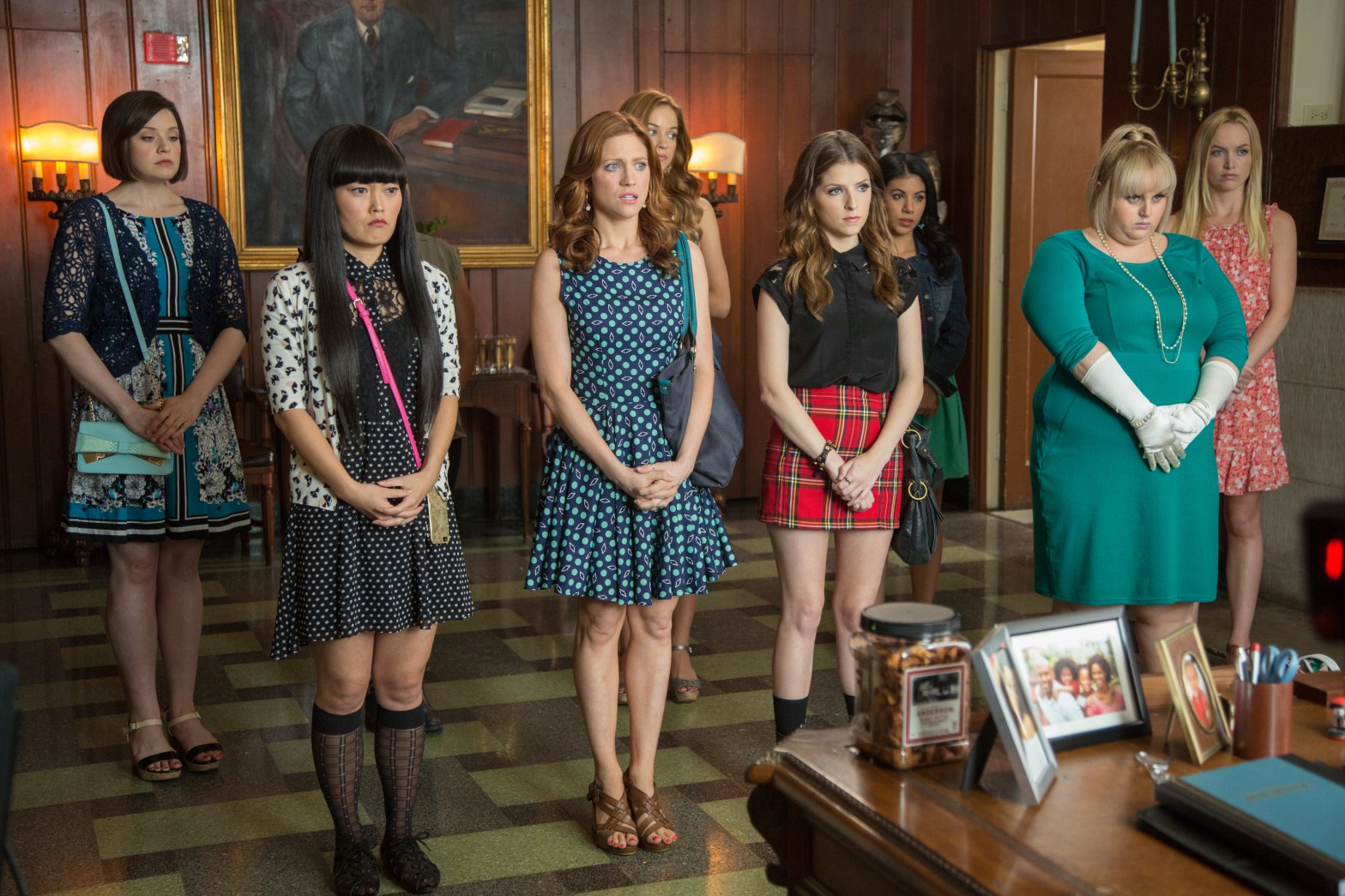
You’ve worked in the Art Department in over 40 productions in the last 10 years. Is there one or two films that you’re most proud of?
I am proud to be a part of the runaway hit
“Pitch Perfect” .. That film has touched a great deal of people. And I think our work on “Million Dollar Arm” was rewarding.
Interview with Kami Asgar, Oscar Nominated Sound Editor
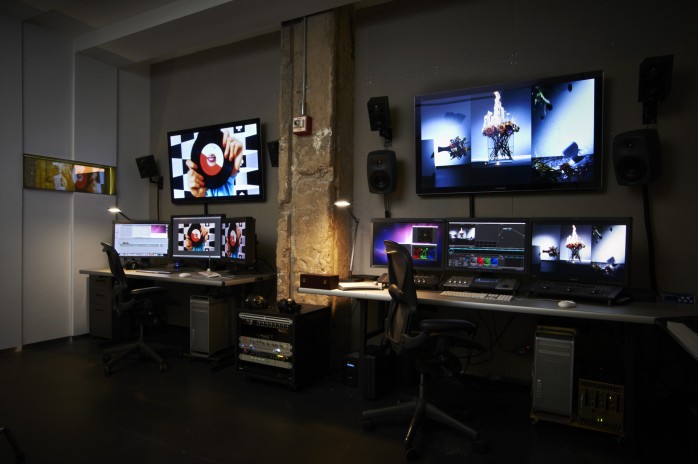
Everything used to be a lot more time consuming and cumbersome.
As an example you had to go down to the sound library and search through reels of sound fx (later CDs) armed with a notebook looking for one sound effect. You usually picked the first one you found, took it back to your room, and sampled it in to the computer and synchronized it to the picture and went to the next effect and the repeated the cycle. since you could only do very short sequences because of lack of computer memory, you laid back to tape and hand wrote (legibly) each event on a cue sheet for the mixer.
Now you audition sounds from your database of hundreds of thousands of sound effects available to you remotely and pick just the right sound, and if you want to alter the sound, you have at your disposal a dizzying amount of plug-ins to change every aspect of your sound to fit the picture. You then upload it for the mixer to open in his session. (no more carrying reels and reels to the stage)
Interview with Glen Gauthier, Sound Mixer (Spotlight, Pacific Rim, Kick-Ass)
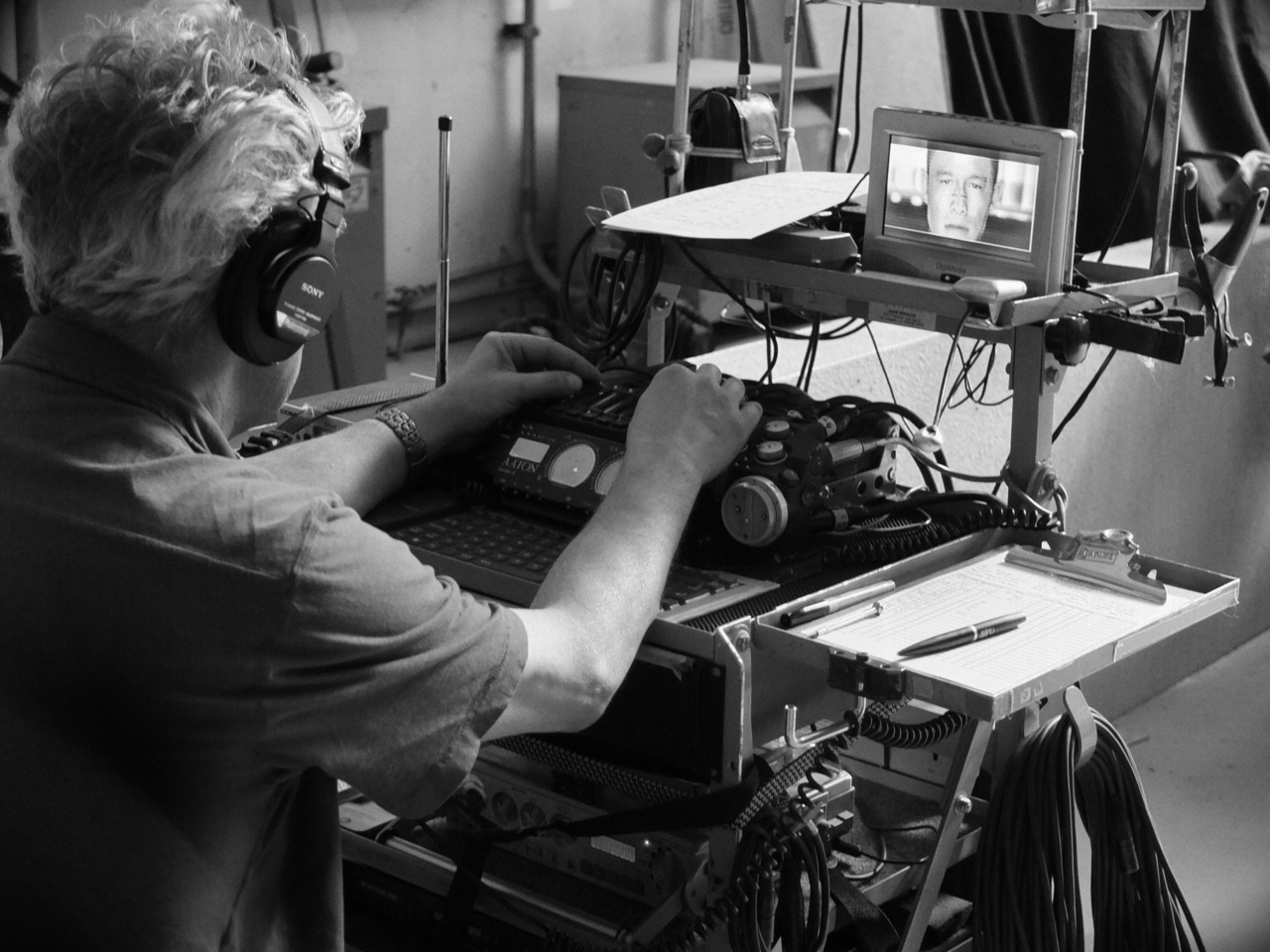
Whenever I tech scout a location I am always looking for what may effect the sound track, and if so whether or not the audience will be distracted by it. For example, traffic noise is easier to accept if you can SEE it. It’s much harder to accept extraneous noise if you have no idea where it’s coming from. Transformers and hum from lights is also a concern; you want control over heat/AC and traffic control if possible! There are many variables to consider. So, my advice is to pay attention; especially to what’s hidden. Consider what’s behind locked doors, above you and below you. Some things you won’t hear until you have a quiet room and the microphone is cranked up.
 Matthew Toffolo's Summary